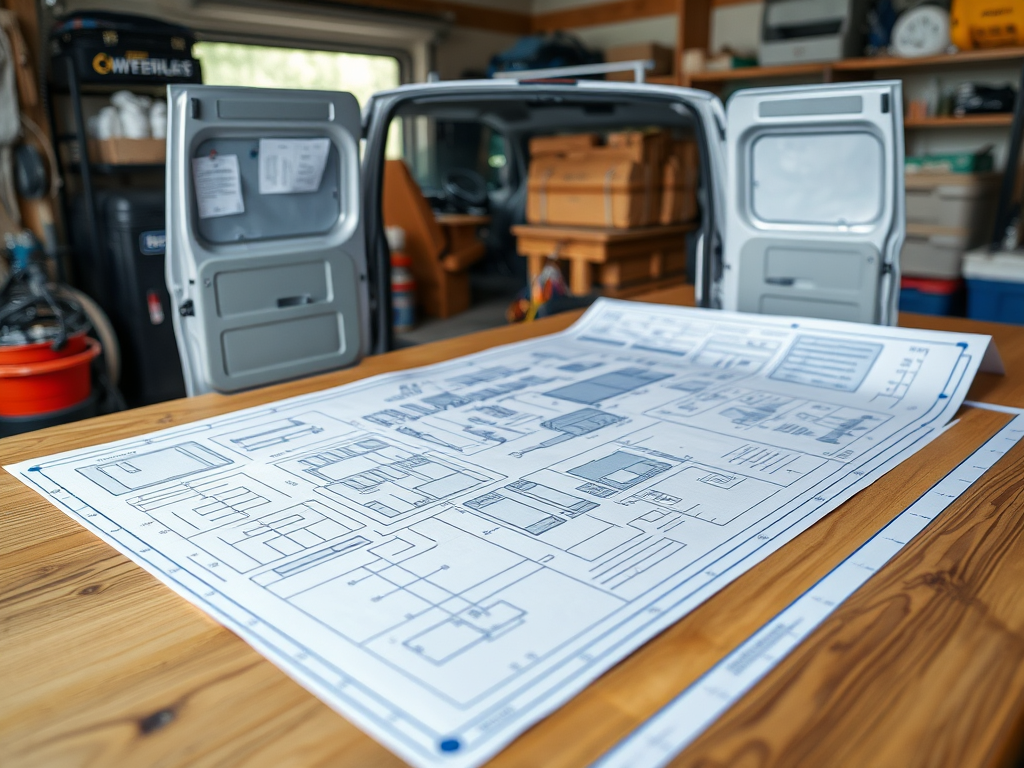
Once you decide that life on the road might be right for you, the next question quickly becomes practical: What kind of vehicle do I actually need?
For many people, this is the most exciting part of the journey. Choosing and building a mobile living space allows you to design a lifestyle that reflects your priorities. Some people want a comfortable home with a kitchen and workspace. Others prefer a minimalist setup that prioritizes mobility and simplicity.
There is no single correct answer.
The best vehicle setup is the one that fits your travel style, your work requirements, and your comfort level. Whether you choose a simple car setup or a fully built camper van, the goal is the same: creating a space that supports life on the road.
Choosing the Right Type of Vehicle
Vehicle dwellers use a wide range of setups, and each comes with advantages and tradeoffs.
Some travelers start small, living out of a car or SUV with a sleeping platform and basic storage. This option is affordable and highly mobile, allowing easy access to cities and remote areas alike.
Others choose camper vans, which provide more interior space and allow standing room, built-in beds, and small kitchens. Vans strike a balance between comfort and mobility, which is why they have become one of the most popular options for nomadic living.
At the larger end of the spectrum are RVs and truck campers. These setups offer more living space and amenities such as bathrooms, larger beds, and expanded storage. However, they also limit access to some remote locations and can be more expensive to maintain.
When deciding which type of vehicle is right for you, consider a few key factors:
- How much space you realistically need
- Whether you want the ability to stand inside
- Where you plan to travel
- How often you plan to move
- Your budget for purchase and maintenance
The vehicle you choose will shape your daily experience on the road, so it is worth taking time to think through these decisions carefully.
Build Versus Buy
Once you choose a vehicle type, the next decision is whether to build your own living space or purchase something that is already converted.
Many people are drawn to the idea of building their own camper setup. A custom build allows you to design the layout exactly the way you want. You can decide where the bed goes, how much storage you need, and what type of kitchen setup fits your lifestyle.
However, building a van also requires time, tools, and a willingness to learn new skills.
Buying a professionally converted van or RV can simplify the process significantly. Everything is already installed, allowing you to start traveling sooner. The downside is that professional builds can be expensive and may not perfectly match your preferences.
Some travelers find a middle ground by purchasing a partially built van and modifying it over time.
There is no universal best approach. The right choice depends on your budget, your timeline, and how hands-on you want to be in the building process.
The Core Systems of Mobile Living
No matter what type of vehicle you choose, most road setups rely on a few essential systems that support daily life.
Understanding these systems helps you design a space that is comfortable and functional.
Sleeping
Sleep is one of the most important aspects of vehicle living.
Many van setups use a fixed bed platform with storage underneath. This approach maximizes space while keeping the sleeping area simple. Others use convertible seating areas that transform into beds at night.
A comfortable mattress can make a huge difference in how well you rest on the road, so this is one area where investing in quality often pays off.
Storage
Space is limited in any vehicle, which means thoughtful storage design is essential.
Common solutions include:
- Under-bed storage drawers
- Overhead cabinets
- Wall-mounted gear racks
- Stackable storage bins
Many travelers find that organization becomes one of the most important factors in maintaining a comfortable living space.
When everything has a place, daily routines become much easier.
Cooking
Cooking on the road can be as simple or as elaborate as you want it to be.
Some travelers use compact propane stoves or single-burner cooktops. Others install small kitchen systems with sinks, refrigerators, and storage for cookware.
Even a basic setup can support surprisingly good meals. With a small stove and a few essential tools, many vehicle dwellers cook regularly rather than relying on restaurants.
Cooking not only saves money but also creates a sense of normalcy while traveling.
Power
Electric power allows you to charge devices, run lights, and operate appliances.
Many vehicle setups rely on a combination of:
- Solar panels
- Battery banks
- Charging systems connected to the vehicle alternator
This type of system can provide enough energy to run lights, laptops, phones, and small appliances without needing external power sources.
For people working remotely, reliable power becomes especially important.
Water
Water storage and management are another essential part of vehicle living.
Many setups use simple portable water containers that can be refilled at campgrounds or public facilities. More complex systems may include built-in tanks, sinks, and small pumps.
Even simple setups work well if they are thoughtfully designed.
The goal is to balance convenience with simplicity.
Internet and Remote Work
Reliable internet access has become one of the most important tools for modern nomads.
For travelers working remotely, connectivity can determine where you are able to stay.
Common solutions include:
- Mobile hotspots using cellular networks
- Signal boosters for weak reception areas
- Satellite systems such as Starlink
Each option has strengths and limitations depending on your travel destinations.
Many travelers carry multiple connectivity options to ensure they can stay online when needed.
Safety and Security
When your vehicle is also your home, safety becomes a priority.
Most travelers develop simple habits that improve security on the road.
These may include:
- Parking in well-lit areas when in cities
- Locking doors and securing valuables
- Using window coverings for privacy
- Trusting instincts when choosing overnight locations
Over time, many nomads develop a strong sense for which environments feel comfortable and which ones should be avoided.
Fortunately, most travelers report feeling safe during their journeys, especially when they stay aware of their surroundings.
Designing a Space That Works for You
One of the most rewarding aspects of vehicle living is the ability to design your space intentionally.
Every choice you make reflects how you want to live.
Some travelers prioritize comfort, installing full kitchens and large beds. Others prioritize mobility, keeping their setups lightweight and simple so they can move frequently and explore remote areas.
Neither approach is better than the other.
The best setup is the one that supports the way you want to experience the road.
Over time, most travelers continue refining their setups as they learn what works and what does not.
Vehicle living is rarely perfect from day one. Instead, it evolves gradually as you gain experience.
Your Vehicle Becomes Your Home
When people first imagine van life, they often focus on the vehicle itself.
But over time something interesting happens.
The vehicle becomes less about transportation and more about home.
It becomes the place where you wake up in new landscapes, cook meals after long days of travel, and settle in during quiet evenings under unfamiliar skies.
Designing that space thoughtfully can make a huge difference in how comfortable and sustainable life on the road feels.
Continue the Journey
If you want to explore these ideas in much greater detail, including how to choose a vehicle, design functional layouts, and equip your mobile home for long-term travel, you can find the full guide in Vehicle-Dwelling Nomad: A Guide to Embracing Life and Work on the Open Road.
The book expands on these concepts with practical strategies, detailed explanations, and real-world experiences that help readers transition from curiosity to confident nomadic living.
Because once you build your life on wheels, the road ahead becomes far more than just a route on a map.
It becomes home.


Leave a Reply