Contents
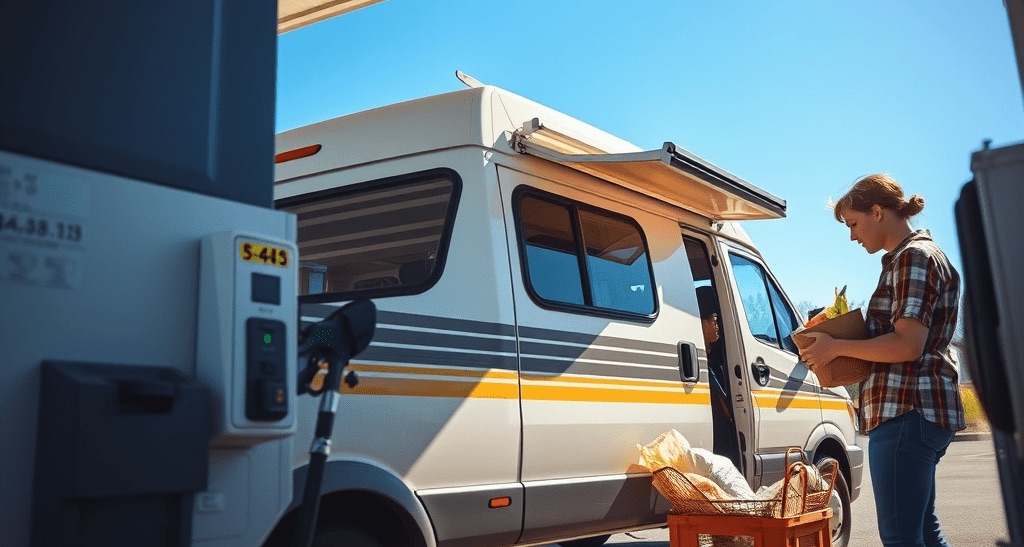
One of the biggest myths about van life or vehicle dwelling is that it is automatically cheap. While life on the road can cost less than maintaining a traditional home, the reality is more nuanced. Freedom does not remove expenses. It simply changes them.
If you want your travels to feel sustainable rather than stressful, building a financial foundation before hitting the road is essential.
When I first started traveling, I believed I had everything figured out. I had a remote job, savings in the bank, and a brand-new van ready for adventure. On paper, it looked like a perfect plan.
Then reality started showing up in small ways.
Gas was more expensive in remote areas than I expected. Campground fees occasionally replaced free camping when weather or safety made dispersed sites impractical. Groceries varied wildly depending on where I landed.
I still remember paying five dollars for a single apple at a gas station in Nevada because I had not restocked ahead of time.
That moment stuck with me because it revealed something important. Vehicle life is not only about spending less money. It is about planning for unpredictability.
Understanding the Real Costs of Van Life
Financial planning for vehicle living usually falls into three main categories.
1. Startup Costs
Startup costs are often the largest investment when preparing for life on the road.
These might include:
- Purchasing the vehicle
- Conversion or build-out materials
- Solar panels and battery systems
- Water storage and filtration
- Cooking equipment
- Bedding and insulation
- Internet equipment such as hotspots or Starlink
- Registration and insurance
Some people begin with simple setups for under $15,000, while others spend $100,000 or more on fully built rigs.
There is no single correct number. The key is aligning your spending with your priorities.
2. Monthly Living Expenses
Once you are traveling, the focus shifts to recurring monthly costs.
Typical expenses include:
- Fuel
- Groceries and occasional dining out
- Campsites or RV parks
- Vehicle insurance
- Health insurance
- Phone and internet plans
- Laundry and hygiene costs
- App subscriptions and navigation tools
Travel speed plays a huge role here. Someone driving thousands of miles each month will spend far more on fuel than someone moving slowly and staying longer in one place.
3. Annual or Irregular Costs
These expenses are easy to overlook but can quickly add up.
Examples include:
- Vehicle maintenance and repairs
- Tire replacements
- Registration renewals
- Replacing worn gear
- Self-employment taxes
- Seasonal upgrades such as winter tires
Setting aside money for these costs every month helps prevent unexpected bills from disrupting your journey.
Why an Emergency Fund Matters on the Road
Perhaps the most important part of financial preparation is having an emergency fund.
When your vehicle is also your home, a mechanical problem can disrupt your entire lifestyle.
Unexpected costs might include:
- Vehicle breakdowns
- Flat tires or battery failures
- Emergency hotels during repairs
- Medical expenses
- Replacing stolen or damaged gear
- Sudden travel changes
Even a small financial buffer can make a huge difference.
Typical emergency fund ranges:
- Basic buffer: $1,000–$2,000
- Moderate cushion: $3,000–$5,000
- Full safety net: 3–6 months of living expenses
The goal is not perfection. Even a few hundred dollars saved can prevent a small issue from becoming a major crisis.
What Van Life Budgets Actually Look Like
One of the most surprising things about nomadic living is how widely budgets can vary.
Some travelers live comfortably on around $1,300 per month by driving slowly, cooking simple meals, and relying on public land camping.
Others spend around $3,000 per month while working remotely, maintaining reliable internet, and staying in campgrounds regularly.
Luxury travelers in high-end RVs can spend $5,000+ per month depending on travel speed, resort campgrounds, and dining habits.
None of these approaches are wrong.
What matters is aligning your spending with the lifestyle you actually want.
Tracking Your Spending on the Road
A budget only works if you actually use it.
Many nomads rely on budgeting apps that sync with bank accounts. Others prefer simple spreadsheets or notebooks.
The best system is the one you will consistently maintain.
Helpful budgeting tools include:
- YNAB (You Need a Budget)
- Monarch Money
- Mint
- Google Sheets
It also helps to include a miscellaneous buffer category, because unexpected expenses are part of life on the road.
Plan for the Future, Even if You Love the Road
Financial planning for nomadic life should also consider what happens next.
You may eventually want to:
- Sell your vehicle
- Transition back into traditional housing
- Change careers
- Slow down or stop traveling
Maintaining your vehicle well protects resale value. Saving money for housing deposits or transitions gives you options later.
Planning ahead does not mean expecting the lifestyle to end. It simply gives you flexibility.
Freedom Is Easier With a Safety Net
One of the biggest lessons I learned from life on the road is this.
Freedom and structure are not opposites.
They depend on each other.
When your finances are stable, you can embrace the spontaneity that makes this lifestyle so appealing. You can take detours, stay longer in places you love, and say yes to unexpected opportunities without worrying about whether the numbers will work.
Adventure becomes much easier to enjoy when your financial foundation is solid.


Leave a Reply