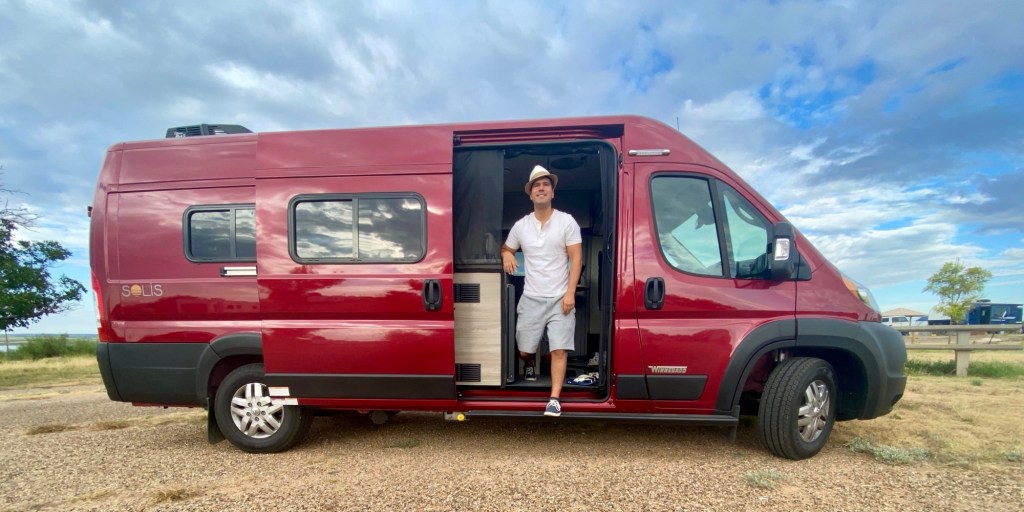
Even after two years of COVID lockdowns, the call to return to the office still hadn’t materialized. At 31 years old, having caught the travel bug years earlier during a year-long backpacking trip through Europe, I felt an increasing sense of restlessness. I was a remote worker who, rather than being confined to an office cubicle, found myself confined to my one-bedroom apartment.
Sure, I would occasionally fly to cities I hadn’t yet explored, immersing myself in local attractions and nearby natural wonders. However, these trips were far less frequent than I desired—typically around once every month or two.
The two primary constraints that held me back from traveling more were the same ones that hinder most people: time and money. Working a full-time, 40+ hour-per-week corporate job left me with limited vacation days, which I often used for family visits or important events. Even if I could cram a satisfying itinerary into a weekend, frequent trips quickly became prohibitively expensive. Flights, accommodations, meals, and incidentals tend to add up fast.
At the time, I thought the only way to truly travel while staying employed was to terminate my lease and move to a different city every few months, making each place a temporary home base from which I could branch out on the weekends.
Then, one summer afternoon, I discovered another way—a lifestyle that could transform me into a true digital nomad, allowing me to change my surroundings regularly while maintaining my professional career.
I was sitting on the outdoor patio of a winery in Upstate New York, enjoying a tasting, when a white van with black trim pulled into the lot. It looked a bit older—maybe a decade—but sturdy and well-maintained. At first, I assumed it belonged to a vineyard employee making a delivery. Then I noticed the solar panels on the roof and the bike rack on the back. A young man, probably in his late twenties, stepped out, entered the winery, and took a seat at the table next to mine.
Curious, I asked him if the van was his primary vehicle or just for work. He smiled and replied that it wasn’t just his vehicle—it was his home. He had been living in it for the past eight months while road-tripping from California to New York.
We ended up chatting for nearly an hour, and I learned about a lifestyle he affectionately called “van life.”
Before that conversation, I had only a vague notion of what living in a vehicle meant. I pictured two extremes: retired couples wintering in campgrounds along the Florida coast, escaping harsh northern winters, or wealthy travelers enjoying a mobile luxury mansion parked in pristine, private wilderness. I never considered the possibility of a vehicle compact and nimble enough to park almost anywhere, yet versatile enough for long-term living.
After that chance meeting, I dove into research, eager to learn everything I could about camper vans—their layouts, furnishings, and the lifestyle they afforded. Soon, I started spotting them everywhere: in parking lots, on highways, at trailheads.
Three weeks after that initial encounter, I bought my own—a Winnebago Solis PX.
It wasn’t an impulsive decision, though it might seem like one. I agonized over the choice, comparing models and features until I found the one that suited me. Two years later, I traded that Winnebago for a Jeep Wrangler Unlimited outfitted for off-road camping—more rugged and adaptable for the adventurous routes I’d grown to love.
The appeal of living in a motorhome was simple: freedom, flexibility, and a sense of adventure. I could design my own itinerary and stay as long as I wanted in each location. I was no longer bound by hotel reservations or flight schedules. If I felt like it, I could wake up in a different city, national forest, or coastline every other day.
This lifestyle delivered on everything I had hoped for. My only regret was not starting sooner.
The open road became my gateway to adventure, deepening my appreciation for both natural and human-made wonders. Over the past 4 years, I visited all 48 continental U.S. states, stopping at state capitals, national parks, and historic landmarks. I camped in serene locations, waking up to breathtaking sunrises and falling asleep under starlit skies. I hiked hundreds of miles of nature trails, immersing myself in the beauty of the wilderness.
When I wanted urban experiences, I navigated city streets with ease, parking near concert venues, museums, and breweries. My home became wherever I parked, and my backyard was the expanse of nature or city that surrounded me.
The journey enriched my life in ways I never expected. It reminded me that travel isn’t just about reaching a destination—it’s about embracing the freedom to shape your path, create memories on your own terms, and live fully, wherever the road may lead.

 Vehicle Dwelling Nomad
Leave a reply to Adam Cancel reply