A well-thought-out water and plumbing system is essential for staying comfortable and self-sufficient while living in your vehicle. Whether you’re cooking, cleaning, drinking, or showering, your water system should fit your lifestyle and travel goals. Depending on your level of comfort and budget, you can build anything from a simple water jug setup to a full system with running water, a sink, and hot showers. Below is a detailed guide to designing a water and plumbing system that meets your needs.
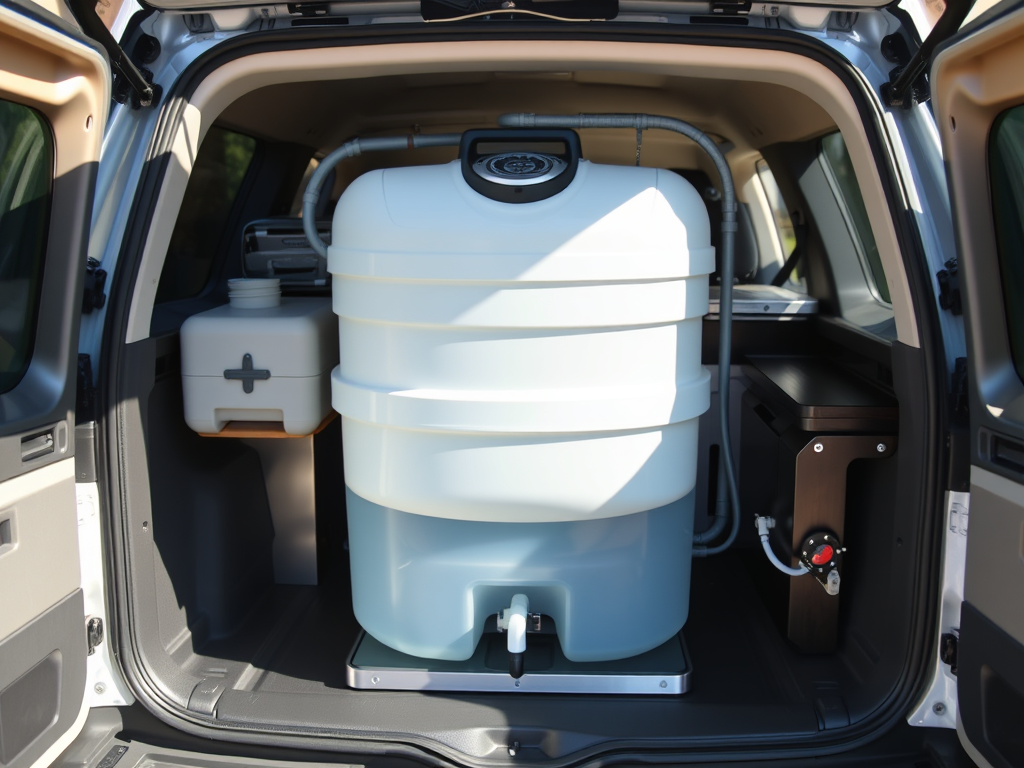
1) Determine Your Water Needs
Understanding your daily water needs is the foundation of designing an efficient and functional water system for vehicle dwelling. Whether you’re parked off-grid or staying at a developed campsite, having a clear idea of how much water you use—and for what purposes—helps you plan your storage capacity, refilling schedule, and plumbing setup accordingly.
Identify Your Water Usage Categories
Start by thinking through the main ways you’ll use water on the road. Common categories include:
- Drinking and Cooking: Clean, potable water is essential for staying hydrated and preparing meals.
- Personal Hygiene: Washing hands, brushing teeth, showering, and even occasional laundry all add up.
- Dishwashing: Water use for cleaning dishes can vary depending on your cooking habits and whether you use disposable items or reusable dishes.
- Pet Care: If you’re traveling with pets, consider their drinking and washing needs as well.
Estimate Your Daily Water Consumption
A good benchmark for minimal water usage in a vehicle-dwelling lifestyle is 2–4 gallons per person per day. However, your exact needs will depend on how often you cook, shower, or clean.
Here’s a rough breakdown:
- Drinking and cooking: 1–1.5 gallons/day
- Dishwashing: 1–2 gallons/day
- Personal hygiene: 2–3 gallons/day (depending on showering frequency and method)
Consider Your Travel Style and Setup
Your water needs will also be influenced by how frequently you move, your access to refilling stations, and the type of water storage system you’re using.
- Stationary travelers or campground users may refill more often and need less onboard capacity.
- Remote or off-grid travelers will want to carry extra water and possibly incorporate backup storage solutions.
- Those using portable showers or full sink setups will consume more water than minimalists using wipes and sponge baths.
Plan for Emergencies and Reserves
It’s wise to keep extra water on hand beyond your daily estimate in case of emergencies, delays in refilling, or unexpected weather that limits mobility.
- Carry a dedicated emergency water container (e.g., a 2.5-gallon jug or collapsible water bag).
- Store water in multiple containers rather than a single tank, giving you flexibility and redundancy.
Pro Tips for Managing Water Needs

- Track your usage for a week. This gives you a realistic idea of how much water you actually use and where you can reduce consumption.
- Label your water containers. Differentiate between potable and non-potable water to avoid cross-contamination.
- Adopt water-saving habits. Use a spray bottle for quick rinses, biodegradable soap for minimal rinsing, and catch water in a basin for reuse when possible.
- Consider seasonal differences. You may use more water in hot weather for cooling off and less in winter when showers are less frequent.
2) Choosing Your Water System
Once you understand your daily water needs, the next step is selecting a water system that fits your vehicle, your routines, and your travel style. Whether you prefer a simple, low-maintenance setup or a more robust and pressurized system, choosing the right components ensures consistent access to water for drinking, cooking, and cleaning—without overcomplicating your space or draining your energy reserves.
Consider Your Setup Style and Space Constraints
Your available space and vehicle layout will heavily influence your system design. Larger rigs like campervans or RVs can support built-in tanks and plumbing, while smaller vehicles like SUVs or trucks often benefit from modular, portable systems.
- Compact Vehicles (SUVs, Jeeps, Trucks): Use standalone jugs, collapsible containers, or stackable water cubes that can be filled and refilled easily.
- Vans and RVs: You may have room for underbody tanks, built-in plumbing, foot pumps, or electric water pumps for added convenience.
Decide Between Gravity-Fed vs. Pressurized Systems
There are two main types of water delivery systems, each with its own pros and cons:
- Gravity-Fed Systems:
- Simple, affordable, and easy to maintain.
- Water flows from an elevated container through a spigot or hose.
- Ideal for minimalists or smaller vehicles with limited power capacity.
- Great for quick rinses or basic dishwashing.
- Pressurized Pump Systems:
- Provide consistent water flow similar to a household faucet.
- Require an electric or manual pump, plumbing lines, and often a water heater if desired.
- Better for setups with full sinks or indoor showers, and for those spending extended time off-grid.
Select the Right Water Containers
Choosing the right water storage containers is key for organization, ease of use, and cleanliness.
- Portable Jugs and Cubes:
- Great for flexibility—easy to carry, fill, and clean.
- Look for BPA-free options with built-in spouts or caps compatible with gravity hoses.
- Example: Reliance Aqua-Tainer 7 Gallon Jug
- Built-In Tanks:
- Offer higher capacity and better integration with plumbing systems.
- Require more involved installation but reduce daily refilling effort.
- Available in various shapes to fit under beds, benches, or vehicle chassis.
Add-On Components to Consider
A complete water system often includes optional accessories to improve functionality:
- Water Filters or Purifiers: For ensuring potable water, especially when refilling from unfamiliar sources.
- Faucet or Tap Kits: Gravity-fed or pump-compatible taps make dispensing easier and more hygienic.
- Gray Water Collection Containers: For capturing wastewater from dishwashing or handwashing.
- Inline Heaters or Solar Showers: Provide hot water for comfort without complex plumbing setups.
Pro Tips for Choosing Your Water System
- Design modular systems. Separate your drinking water from utility water to make storage and filtration more efficient.
- Build for easy access. Make sure containers and fill ports are easy to reach so you won’t avoid refilling when needed.
- Keep cleaning in mind. Choose containers with wide mouths for simple cleaning and sanitizing.
- Test before you commit. Try a basic setup first to learn what you actually need before investing in more complex components.
- Don’t overbuild. Your water system should match your actual usage—not an imagined “just in case” scenario that wastes space or money.
3) Key Components of a Water System
A well-functioning water system isn’t just about having water—it’s about having the right components working together to deliver, store, and manage it efficiently. Whether you’re building a basic gravity-fed setup or a full pressurized system, understanding the core components will help you assemble a system that’s reliable, space-conscious, and easy to maintain in a mobile lifestyle.
Fresh Water Storage Containers
These are the foundation of your water system, holding your clean, potable water for everyday use.
- Portable Jugs or Cubes: Ideal for smaller vehicles or flexible setups. They’re easy to carry, refill, and clean.
- Built-In Tanks: Better for high-capacity systems, often integrated under benches or in vehicle cabinetry.
- Collapsible Water Bags: Lightweight and space-saving when empty—great for extra reserve storage during longer trips.
- Roof-Mounted Water Tanks: Useful for freeing up interior space and taking advantage of gravity-fed flow (can also be warmed by the sun).
Water Delivery System
This is how you move water from your container to where you need it—whether it’s a sink, shower, or just a drinking bottle.
- Gravity-Fed Spigots or Hoses: Simple setups that use elevation to create water flow.
- Manual Pumps (Foot or Hand): Provide controlled flow without electricity—compact, low-maintenance, and great for van or SUV setups.
- Electric Pumps: Offer consistent water pressure and a more “home-like” feel. Typically connected to a faucet via plumbing lines and powered by your vehicle’s battery system.
Filtration and Purification Systems
Clean water is essential, especially when filling up from unfamiliar sources like campground spigots or rural taps.
- Inline Water Filters: Installed on hoses during refilling to filter sediment and improve taste.
- Countertop or Portable Filters: Systems like Berkey Water Filters provide high-quality drinking water from any source.
- Pump Purifiers or UV Systems: Useful for remote or off-grid situations where water safety is a concern.
Gray Water Collection and Disposal
Just as important as managing fresh water is handling wastewater responsibly.
- Gray Water Tanks or Jugs: Store used water from sinks or showers until it can be properly emptied.
- Detachable Buckets or Containers: Simplest method for small systems—easy to empty at dump stations or designated areas.
- Plumbing Valves and Hoses: Allow you to direct wastewater into your chosen container or external drain point.
Water Dispensing Fixtures
The points where you actually access water should be functional and ergonomic for daily use.
- Faucets and Taps: Choose options compatible with your pump or gravity-fed system. Collapsible or low-profile faucets save space in small vehicles.
- Spray Nozzles: Useful for rinsing dishes or washing hands—especially with pressurized or foot-pump setups.
- Shower Heads: For portable or built-in showers, choose compact models with on/off switches to conserve water.
Optional Enhancements for Comfort and Convenience
If space and budget allow, there are add-ons that elevate your system’s usability.
- Hot Water Options: Portable propane water heaters (like Camplux Tankless Heaters) or solar shower bags can make hygiene more comfortable.
- Hose Fittings and Quick-Connect Adapters: Make filling, draining, and system maintenance more convenient.
- Water Level Monitors: For built-in tanks, gauges or digital monitors help track your remaining supply at a glance.
Pro Tips for Assembling a Water System
- Design with redundancy. Carry backup jugs or filtration options in case your main setup fails.
- Prioritize accessibility. Keep fill ports, jugs, and valves easy to reach so maintenance and refills aren’t a chore.
- Think modular. Break your system into simple, swappable components to make cleaning and upgrading easier over time.
- Use food-grade materials. Ensure containers and hoses are labeled BPA-free and intended for potable water to avoid contamination.
- Practice before hitting the road. Test your entire setup at home to troubleshoot leaks, flow issues, or layout problems in advance.
4) Storage and Mounting Considerations
How and where you store your water system components plays a major role in their usability, longevity, and safety. Whether you’re working with portable jugs or a fully plumbed setup, thoughtful storage and mounting decisions will make day-to-day living easier and prevent damage or hassle while you’re on the move. A well-organized layout also helps you conserve space and maintain balance in your vehicle.
Secure All Water Containers and Components
Water is heavy—and it shifts. Unsecured containers can slide, tip, or leak while driving, posing safety hazards and potential messes.
- Use Tie-Down Straps or Bungee Cords: Secure portable water jugs to interior walls, cargo racks, or anchor points to prevent movement.
- Mounting Brackets and Cradles: For built-in tanks or heavier containers, use brackets, frames, or custom cradles to keep them snug and stable.
- Anti-Slip Mats: Place under jugs or containers to help prevent sliding on hard surfaces when tie-downs aren’t practical.
Maximize Vertical and Unused Space
In compact living areas, vertical and overhead space can be your best ally.
- Roof Racks: Store water containers like your 5-gallon jug or extra seasonal-use tanks on roof racks to keep your interior open for living. Ensure they are properly strapped down and weather-protected.
- Wheel Well Compartments or Under-Bed Storage: These spaces often go underutilized and can house water tanks or jugs in a way that keeps them hidden yet accessible.
- Rear Door or Tailgate Mounts: Certain portable jugs come with brackets or holders that allow mounting to swing-out tailgates or doors for quick access and gravity-fed dispensing.
Consider Weight Distribution
Water is heavy—about 8.3 lbs per gallon—and poor placement can affect how your vehicle drives or handles off-road terrain.
- Keep Heavier Tanks Low and Centered: Whenever possible, place large tanks or full jugs near the center of the vehicle and low to the ground to maintain a stable center of gravity.
- Balance Side-to-Side: Distribute weight evenly across both sides of your vehicle to prevent uneven suspension wear or leaning.
- Minimize Rear-End Weight: Avoid placing all water storage behind the rear axle, which can strain suspension and reduce off-road performance.
Optimize for Refill and Drain Access
Accessibility makes refilling and draining simpler and less frustrating—especially in inclement weather or low-light conditions.
- External Fill Ports: If you have built-in tanks, consider installing an exterior fill port that allows you to refill without entering your vehicle.
- Easy-to-Remove Jugs: Choose containers that can be lifted in and out without moving other gear, ideally with molded handles for ergonomic handling.
- Clear Drain Pathways: For gray water storage, ensure your drain outlet or portable container is easy to remove or access when full.
Weatherproof and Protect Where Needed
Exposure to the elements can damage containers or affect water quality.
- Shield Roof-Top Storage: Use waterproof cargo bags or UV-resistant tank covers to protect water containers mounted on your roof.
- Insulate in Cold Climates: Wrap tanks and plumbing lines in insulating material or store them inside your vehicle during winter travel to prevent freezing.
- Ventilate Enclosed Storage: Prevent mold or musty smells by ensuring any water storage area has proper airflow and isn’t completely sealed off.
Pro Tips for Storage and Mounting
- Label containers clearly. Mark potable, gray, and non-potable water containers so you never confuse them.
- Keep maintenance in mind. Choose storage spots that allow you to inspect and clean containers easily.
- Use stackable containers. Stackable water cubes can maximize storage efficiency and reduce wasted space.
- Keep a backup jug accessible. Store one extra jug somewhere easy to reach so you’re not stuck if your main system fails.
- Avoid spills near electronics. Store water systems away from batteries, inverters, and power stations to prevent water damage in case of leaks.
6) Filtration and Water Quality
Clean, safe water is one of the most critical essentials for life on the road—whether you’re cooking, drinking, brushing your teeth, or washing dishes. Since vehicle dwellers often refill from a wide range of sources—including campgrounds, gas stations, public spigots, or even natural springs—integrating a reliable water filtration strategy into your system is essential for protecting your health and maintaining water quality.
Understand Common Water Contaminants
Water from unfamiliar sources can contain a range of impurities, including:
- Sediment and debris (sand, dirt, rust) that can clog your plumbing system and damage pumps
- Microorganisms (bacteria, protozoa, viruses) that pose health risks
- Chemical contaminants (chlorine, heavy metals, pesticides) that affect taste and safety
- Odors or discoloration that can indicate sulfur, iron, or other unwanted elements
Even treated municipal water can carry taste or odor issues, so filtration helps ensure consistency and safety across all your refills.
Types of Water Filtration Systems
The right filtration setup depends on your travel style, system complexity, and tolerance for refilling from unknown sources. Many vehicle dwellers use a combination of filters to cover different stages of water use.
- Inline Hose Filters (at Fill Point):
Installed between the spigot and your water container or tank, these filters remove sediment, chlorine, and some bacteria before the water even enters your system.- Example: Camco TastePURE RV Water Filter
- Countertop Gravity Filters (at Use Point):
These filters clean water after it’s in your system and are perfect for drinking and cooking.- Example: Berkey Water Filter Systems are a popular choice among vanlifers for their high filtration capability and no power requirement.
- Inline Under-Sink or Faucet Filters:
For built-in systems, you can install filters under the sink that purify water right before it reaches your tap.- Example: Culligan RV-800
- Pump Filters and UV Purifiers (for Off-Grid or Natural Sources):
If you refill from lakes, rivers, or springs, use a high-grade backpacking filter or UV purifier to remove pathogens.
Storage and Hygiene Practices for Clean Water
Filtration is only part of the equation—how you store and handle water affects quality too.
- Use BPA-Free, Food-Grade Containers: Avoid plastic containers not rated for potable water, as they can leach chemicals.
- Clean Tanks and Jugs Regularly: Sanitize your water containers every few weeks using a diluted bleach solution or food-safe tank cleaner.
- Keep Clean and Dirty Water Separate: Designate containers specifically for drinking water versus dishwater or gray water to prevent cross-contamination.
- Cap Containers Tightly: Secure lids to prevent bugs, dust, or bacteria from entering, especially during transport.
Monitor Water Quality
If you want extra assurance, you can test water periodically using DIY water testing kits.
- Example: Safe Home Water Test Kit checks for bacteria, lead, nitrates, and other common contaminants.
These are especially helpful when filling from rural spigots, unknown wells, or campground sources.
Pro Tips for Managing Water Quality
- Pre-filter water in silty areas. Use a mesh screen or coffee filter to remove sediment before passing it through a finer filter.
- Always filter drinking water. Even if the water “looks clean,” err on the side of caution when drinking or cooking.
- Don’t rely on one filter type. Combine different filtration stages (e.g., fill-point + countertop) for comprehensive protection.
- Flush filters regularly. Extend the life and effectiveness of your filters by following manufacturer instructions for flushing and maintenance.
- Have a backup purification method. Keep iodine tablets, a spare UV pen, or an emergency filter in your go-bag in case your primary system fails.
7) Shower Options
Personal hygiene is a key part of feeling comfortable and healthy on the road—but when you live in a vehicle, traditional showers often aren’t an option. Fortunately, there are a wide range of shower solutions available that suit different budgets, setups, and travel styles. Whether you prefer quick rinse-offs or need a more thorough refresh after a long hike, the right shower setup can help you stay clean and refreshed no matter where you are.
Portable Gravity Showers
These simple, affordable systems use gravity to provide a gentle water flow for rinsing off.
- Solar Shower Bags: These flexible black bags warm up in the sun and offer enough water for a short shower. Hang it from a tree, roof rack, or a mounted hook.
- Collapsible Shower Bags or Buckets: Lightweight and compact, these are great for minimalists or those with limited storage space.
Pressurized Portable Showers
If you want more consistent water flow and pressure, these systems add comfort without complex installation.
- Pump Showers: Some units use hand or foot pumps to build pressure in a container that connects to a spray nozzle.
- Example: Nemo Helio Pressure Shower
- Battery-Operated Camp Showers: These systems use a submersible pump and a rechargeable battery to provide a steady flow from any water source.
- Example: Ivation Portable Outdoor Shower
DIY Vehicle-Mounted Showers
For more permanent setups, vehicle-mounted shower options offer convenience for frequent users.
- Roof-Mounted Water Tubes: These black PVC tubes or aluminum tanks use solar heat and gravity or pressurized valves to provide a hot shower directly from your vehicle.
- Example: Road Shower 4S
- Hose and Pump Combos: For those with a water tank and electric pump system already in place, you can add an outdoor shower hookup or use a garden hose-style sprayer connected to your system.
Public and Facility-Based Showers
Even if you have an onboard shower option, you may still want to take advantage of public facilities when available.
- Gym Memberships: National chains like Planet Fitness are a popular option for vehicle dwellers, offering affordable monthly plans and hot showers across the country.
- Truck Stops: Locations like Pilot Flying J and Love’s Travel Stops offer pay-per-use private shower stalls.
- Campgrounds and Recreation Centers: Many public and private campgrounds have basic or full-service shower facilities for a small fee or included with a campsite.
Privacy Solutions
No matter which type of shower you choose, privacy is often a concern—especially in outdoor or dispersed settings.
- Pop-Up Privacy Tents: These quick-deploy shelters give you a designated shower space and can double as changing rooms or portable toilets.
- Example: WolfWise Pop-Up Shower Tent
- Shower Curtains or Tarps: DIY setups using magnetic or clip-on curtains can create a private space at the back of your vehicle or off the side of a roof rack.
Water Conservation Considerations
Because every drop counts on the road, showering efficiently is key.
- Use low-flow nozzles or on/off sprayers to minimize water use between rinses.
- Keep showers short and strategic—a quick rinse is often all you need.
- Consider wet wipe baths or sponge baths between full showers to extend your water supply when off-grid.
Pro Tips for Showering on the Road
Practice leave-no-trace hygiene. If showering outside, always dispose of gray water away from natural water sources and follow local regulations.
Heat water smartly. If you don’t have solar or pressurized hot water, heat water on a stove and pour it into your shower bag or bucket.
Shower early or late. Avoid drawing attention in public or dispersed areas by showering during low-traffic hours.
Use biodegradable soap. Protect the environment by choosing eco-friendly products like Dr. Bronner’s, especially if you’re showering outdoors.
Keep a backup plan. Always have wipes or a dry shampoo alternative on hand for days when showers aren’t practical.
8) Maintenance and Troubleshooting
A well-designed water system makes life on the road easier—but like any part of a mobile setup, it needs regular care to stay reliable. Routine maintenance not only prevents problems but also extends the life of your equipment. And when things go wrong (which they occasionally will), having a basic understanding of troubleshooting can help you avoid costly repairs or stressful delays.
Clean and Sanitize Regularly
Even potable water systems can harbor bacteria or develop unpleasant odors if neglected. Keeping your system clean is essential for both hygiene and taste.
- Sanitize Storage Containers: Every few weeks, clean your water tanks, jugs, and hoses with a diluted bleach solution (1 tablespoon bleach per gallon of water). Let it sit for several hours, then rinse thoroughly.
- Flush Filters and Replace as Needed: Follow manufacturer instructions for backflushing or replacing your filters. Dirty filters can reduce water pressure or allow contaminants to pass through.
- Wipe Down Dispensing Equipment: Regularly clean faucets, spray nozzles, and shower heads to prevent buildup and bacteria growth.
Inspect for Leaks and Cracks
Leaks can lead to water loss, mold, or damage to your vehicle interior. Catching small issues early saves major headaches later.
- Check Hose Connections: Make sure all fittings are secure and tight. Over time, vibrations from driving can loosen clamps or fittings.
- Look for Hairline Cracks: Inspect jugs, tanks, and fittings for signs of fatigue or stress cracks—especially in older plastic containers or those exposed to sun and temperature swings.
- Monitor for Slow Drips: A slow leak can go unnoticed for days. Keep an eye out for puddles, damp flooring, or water stains near your system.
Maintain Pumps and Plumbing Components
If you use an electric or manual pump, it’s important to keep it in good working order.
- Clean Pump Filters: Many water pumps have internal strainers that can clog over time. Check and rinse these screens periodically.
- Listen for Changes in Sound: A whining or stuttering pump may indicate an air bubble in the line, a failing motor, or a clog.
- Prevent Air Locks: If your pump runs but no water comes out, it may need to be primed or purged of trapped air—this is common after refilling tanks or disconnecting hoses.
Keep Spare Parts and Repair Tools Handy
You don’t need to carry a full workshop, but having the basics on hand can keep you rolling when small issues arise.
- Spare Hoses and Fittings: Carry a few extra lengths of hose, clamps, and common connectors in case of breakage or loss.
- Sealant Tape: Products like Teflon tape help seal threads on fittings and prevent drips.
- Basic Tools: A small wrench, screwdriver set, zip ties, and utility knife cover most water system fixes.
- Silicone Caulk or Sealant: Useful for patching minor leaks in fittings or containers in a pinch.
Troubleshoot Common Problems
Knowing how to quickly diagnose issues can save you time and stress on the road.
- Low Water Pressure: Check for clogged filters, air bubbles in the line, or a weak battery if using an electric pump.
- No Water Flow: Confirm that tanks are full, valves are open, and there are no kinks or blockages in the hose.
- Unpleasant Smell or Taste: Sanitize your containers and inspect your filters—both are common sources of odor and off-flavors.
- Pump Won’t Turn On: Check your power source, fuse, and connections before assuming the pump is dead.
Pro Tips for Long-Term Reliability
- Perform monthly checkups. Set a reminder to inspect and clean your system on a regular schedule—especially before long travel stretches.
- Avoid storing water in direct sunlight. UV exposure can degrade plastic and promote algae growth in containers.
- Drain unused water periodically. Don’t leave water sitting in tanks or jugs for extended periods—rotate your supply to keep it fresh.
- Label components clearly. This helps with quick repairs, especially if you have a complex system with multiple tanks, valves, or connections.
- Keep a troubleshooting checklist. A printed or digital reference makes diagnosing issues quicker when you’re tired, stressed, or low on signal.
Product Recommendations
Water Storage Container
Durable, BPA-free, stackable, and includes a built-in spigot for easy dispensing—ideal for potable water storage in any setup.
Portable Water Filter
Easy to attach to any hose for clean water at fill-up points; filters sediment, chlorine, and odor—perfect for vehicle dwellers.
Gravity-Fed Shower System
Heats water using the sun and provides a simple, low-tech shower solution with an easy-to-use on/off nozzle.
Portable Pressurized Shower
Foot-pump pressurized, compact, and great for rinsing off after hikes or cleaning gear without electrical power.
Submersible Electric Shower Pump
Provides a consistent, battery-powered water flow from any container—perfect for off-grid showers.
Collapsible Water Storage
Space-saving solution for extra water storage—ideal as a backup or for emergency preparedness on the road.
Gray Water Collection Container
Heavy-duty, easy-to-use, and perfect for collecting and disposing of gray water responsibly.
Water Hose for RV/Van Use
Lead-free, kink-resistant, and safe for potable water; includes durable fittings for long-term use.
Portable Faucet Pump for Jugs
Turns any water jug into an easy-to-use faucet with battery-powered convenience—great for minimalist setups.
Pop-Up Privacy Tent for Showers
Lightweight, quick to set up, and provides privacy for outdoor showers or changing.
 Vehicle Dwelling Nomad
Leave a comment