When living in a vehicle, having a reliable power system is essential—especially if you plan to camp off-grid for extended periods. A well-designed off-grid power setup allows you to charge your devices, run appliances, and maintain lighting without relying on external hookups. Whether you’re working remotely, cooking meals, or simply relaxing, your power system must support your daily needs.
This post contains a detailed guide to help you understand and design an off-grid power system that suits your lifestyle.
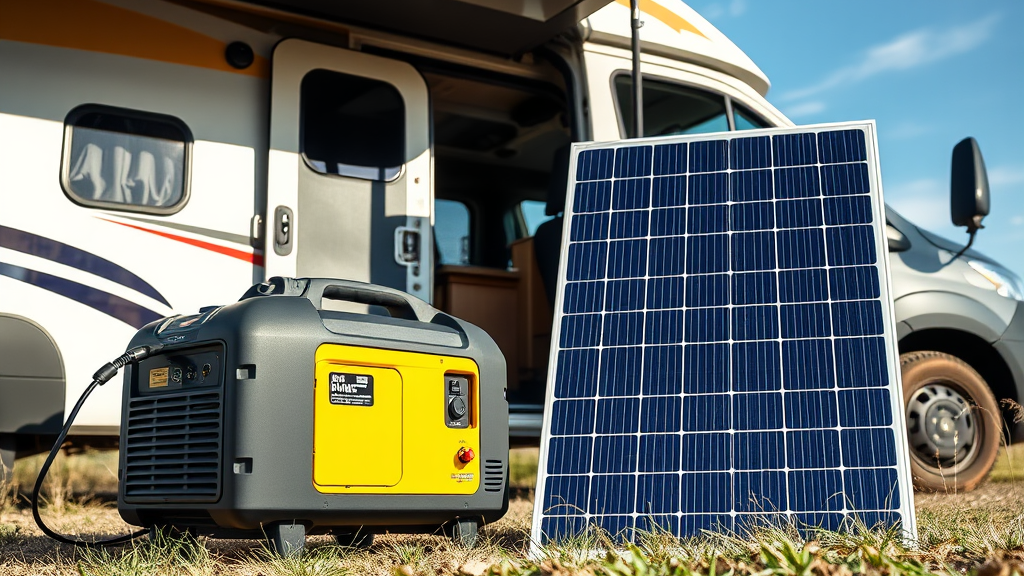
1) Assess Your Power Needs
Creating a reliable power system begins with understanding your unique energy demands. By assessing your power needs upfront, you can design a system that keeps your devices charged, your workspace functional, and your lifestyle comfortable. This process involves evaluating the types of devices you use, the duration of their operation, and your living habits on the road.
List Your Essential Devices
Start by identifying all the devices you plan to power. This list may include:
- Laptops, tablets, and phones
- Wi-Fi hotspots or routers
- Portable monitors
- Lighting (LED lights, desk lamps, or ambient lighting)
- Kitchen appliances (induction cooktops, blenders, or coffee makers)
- Comfort items like fans or small heaters
Be specific about each item’s wattage and voltage requirements. For instance, a laptop might consume 60 watts per hour, while a small induction cooktop could use up to 1,500 watts during operation.
Estimate Daily Usage
Once you’ve listed your devices, calculate their total daily energy consumption. To do this:
- Determine device usage time: Estimate how many hours per day each device will be in use.
- Multiply wattage by hours: Multiply the wattage of each device by the number of hours you’ll use it daily to find the watt-hours (Wh).
- Sum up total consumption: Add the watt-hours for all devices to determine your total daily energy needs.
For example, if you use a 60-watt laptop for 5 hours, that’s 300Wh. Add this to your other devices’ consumption for a full picture of your power requirements.
Consider Lifestyle Factors
Your energy needs will vary based on your lifestyle and location.
- Work hours: Full-time remote workers will likely require more power for laptops, monitors, and internet devices.
- Cooking habits: Frequent cooking or using kitchen appliances will increase energy consumption.
- Climate control: Heating and cooling devices can be energy-intensive, especially in extreme weather conditions.
- Lighting preferences: The type and duration of lighting you use in your vehicle can impact energy needs significantly.
Account for Seasonal Variations
Seasons can influence your energy consumption and your ability to generate power. In winter, shorter daylight hours may reduce solar energy production, while colder temperatures may increase heating demands. Conversely, in summer, cooling devices may drive up your energy usage.
Plan for Power Surges and Efficiency Losses
Electrical devices can draw more power when starting up (e.g., refrigerators or induction cooktops). Factor in these surges to ensure your system can handle peak loads without tripping breakers or draining batteries too quickly. Additionally, consider efficiency losses in power generation and storage systems, which can reduce the total usable energy.
Create a Power Profile
Compile your data into a power profile, which includes:
- A list of devices with their wattage and estimated usage hours
- Total daily watt-hours needed
- Seasonal adjustments for power demand
This profile becomes the foundation for designing your power system and helps ensure it meets your energy needs without oversizing or wasting resources.
Sample Power Profile for a Remote Worker
| Device | Power Rating (Watts) | Daily Usage (Hours) | Daily Energy Consumption (Watt-Hours) |
|---|---|---|---|
| Laptop | 60 | 6 | 360 |
| Wi-Fi Hotspot | 10 | 8 | 80 |
| Smartphone (Charging) | 10 | 2 | 20 |
| Portable Monitor | 20 | 4 | 80 |
| LED Lighting (Interior) | 5 | 4 | 20 |
| Small Fan (USB) | 15 | 3 | 45 |
| Coffee Maker (Single Use) | 1,000 | 0.2 (12 minutes) | 200 |
| Induction Cooktop (Cooking) | 1,500 | 0.5 (30 minutes) | 750 |
| Total | – | – | 1,555 |
Key Assumptions:
- Lighting and Fan: Includes ambient lighting and ventilation during evenings or warm days.
- Laptop Usage: Includes time spent on client meetings, document editing, and other work-related tasks.
- Wi-Fi Hotspot: Operates during most of the workday to ensure consistent connectivity.
- Cooking and Coffee: Reflects moderate cooking and coffee-making activities.
2) Key Components of an Off-Grid Power System
An off-grid power system consists of several interconnected components that work together to generate, store, and deliver electricity to meet your needs. Understanding these key elements will help you design a system that’s efficient, reliable, and suited to your vehicle-dwelling lifestyle.
Power Generation: Solar Panels and Alternatives
The first step in any off-grid system is generating electricity. Solar panels are the most common option, offering renewable energy wherever sunlight is available.
- Solar Panels: Monocrystalline panels, such as the Renogy 100W Solar Panel, are efficient and compact, making them ideal for vehicle rooftops. Portable foldable panels can supplement rooftop installations or be used in shaded parking situations.
- Alternative Generation: While solar is primary, options like wind turbines, portable generators, or charging from your vehicle’s alternator provide supplemental energy in low-sunlight conditions.
Battery Storage: Power When You Need It
Batteries store the energy your system generates, ensuring power is available when the sun isn’t shining. Lithium-ion batteries are the most popular due to their efficiency, lightweight design, and long lifespan.
- Lithium-ion Batteries: These are the gold standard for off-grid systems, offering high energy density and fast charging. Options like the Battle Born 100Ah Lithium Battery are reliable and widely used in mobile setups.
- Battery Capacity: Match the battery’s capacity (measured in amp-hours or watt-hours) to your daily energy needs, plus a margin for overcast days or emergencies.
Inverter: Converting DC to AC Power
Most off-grid systems generate and store power in DC (direct current) form, but many devices and appliances run on AC (alternating current). An inverter bridges this gap, converting stored energy for use with standard plugs.
- Pure Sine Wave Inverters: These provide clean, consistent power for sensitive electronics like laptops and medical devices. A popular option is the Victron Energy 1200W Inverter.
- Sizing Your Inverter: Choose an inverter with enough wattage to handle your highest-load devices, plus a margin for simultaneous use.
Charge Controller: Protecting Your Batteries
A charge controller regulates the flow of electricity from solar panels to the battery bank, preventing overcharging and extending battery life.
- MPPT Controllers: Maximum Power Point Tracking (MPPT) controllers, like the Victron SmartSolar MPPT, are more efficient than PWM controllers and extract maximum power from solar panels.
- Voltage Compatibility: Ensure the controller’s voltage matches your solar panels and battery bank for optimal performance.
Wiring and Connectors: Ensuring Safe Connections
Proper wiring ensures your system operates safely and efficiently. Use appropriately gauged wires and high-quality connectors to handle the current without overheating or losing power.
- Fuses and Breakers: Include fuses and circuit breakers in your setup to protect your system from overloads or short circuits.
- MC4 Connectors: These are common for solar panels, providing secure and weather-resistant connections.
Monitoring Systems: Keeping Tabs on Energy Usage
A monitoring system allows you to track your power generation, storage, and consumption in real-time. This helps you optimize usage and troubleshoot issues quickly.
- Battery Monitors: Devices like the Victron BMV-712 Smart Battery Monitor provide detailed insights into battery charge levels, power input, and output.
- Smart Apps: Many modern systems integrate with mobile apps for remote monitoring and control.
Accessories for Convenience and Safety
Additional components enhance the usability and safety of your system:
- Portable Power Stations: Devices like the Jackery Explorer 1000 act as standalone solutions for quick setups or supplemental power.
- Safety Features: Include surge protectors and fire extinguishers to safeguard against electrical hazards.
Pro Tips for Building an Off-Grid Power System

- Group tasks like client emails, social media updates, or expense tracking into focused time blocks to minimize context-switching and stay efficient.
- Download productivity apps that work offline so you can keep working during travel or in areas with limited internet.
- Create recurring calendar invites for regular check-ins to avoid rescheduling the same calls every week.
- Kanban boards can help you see at a glance what’s in progress, what’s completed, and what needs attention—perfect for tracking complex workflows.
- Keep a backup hotspot and portable power station ready in case your primary devices or internet connection fail unexpectedly.
3) Alternative Power Sources
Relying exclusively on solar power is common for off-grid living, but alternative energy sources can provide flexibility and reliability, especially during low-sunlight conditions or increased power demands. Diversifying your power options ensures you stay charged and operational, no matter the circumstances.
Vehicle Alternator Charging
Your vehicle’s alternator can act as a backup power source by recharging your battery bank while the engine runs. This method is highly effective for frequent travelers who spend significant time driving.
- How It Works: The alternator produces electricity when the engine runs, which can be routed to your house battery through a DC-to-DC charger.
- Equipment Needed: A device like the Renogy 20A DC-to-DC Battery Charger ensures efficient and safe charging.
- Best Use Case: Ideal for road trips or during overcast days when solar energy production is low.
Portable Generators
Portable generators provide consistent power and can handle high loads, making them a reliable backup option. They’re particularly useful in emergencies or during extended periods without sunlight.
- Recommended Model: The Honda EU2200i Portable Generator is quiet, fuel-efficient, and capable of powering multiple devices.
- Fuel Types: Most generators run on gasoline, though dual-fuel models also support propane for added flexibility.
- Considerations: Be mindful of noise regulations in campgrounds and ensure proper ventilation to avoid carbon monoxide buildup.
Wind Turbines
Wind turbines harness energy from consistent breezes, making them an excellent supplement in windy locations.
- How It Works: The turbine converts wind energy into electricity, which is stored in your battery system.
- Recommended Model: The Primus Wind Power AIR 40 is lightweight and suitable for mobile setups.
- Best Use Case: Useful in coastal areas or high-altitude locations with consistent wind speeds.
Hydropower Systems
For those parked near streams or rivers, micro-hydropower systems can generate electricity by harnessing flowing water.
- How It Works: Water flow spins a turbine, creating energy that charges your batteries.
- Recommended Model: The PowerSpout Micro Hydro Generator is compact and effective for small-scale off-grid setups.
- Considerations: Requires proximity to a reliable water source and may need permits in some areas.
Hybrid Energy Systems
Combining multiple energy sources, such as solar, wind, and generator power, creates a hybrid system that maximizes reliability and efficiency.
- Benefits: Hybrid setups reduce dependency on any single power source and allow for greater adaptability in changing environments.
- Integration Tools: Use a charge controller like the Victron Energy SmartSolar MPPT to manage inputs from various sources seamlessly.
Pro Tips for Using Alternative Power Sources
- Plan for fuel availability. If using a generator, ensure you have access to gasoline or propane and keep extra fuel stored safely in approved containers.
- Combine power sources strategically. Pair wind or generator power with solar to cover energy gaps during low sunlight or at night.
- Position devices for maximum efficiency. Install wind turbines in open areas and place hydropower systems where water flow is strongest for optimal performance.
- Monitor energy usage. Track power input and output with a system monitor to ensure all sources are contributing efficiently to your setup.
- Minimize reliance on a single source. A diversified approach reduces the risk of running out of power when conditions change unexpectedly.
4) Safety Systems
A well-designed off-grid power setup includes robust safety systems to ensure uninterrupted energy and protect against potential hazards. These components are critical for maintaining your workflow, powering essential devices, and keeping your system safe in case of failures or emergencies.
Surge Protection
Surges caused by lightning strikes, faulty wiring, or other electrical issues can damage your devices and power system.
- Surge Protectors: Install surge protector strips for your AC-powered devices to shield them from power spikes.
- DC Surge Protectors: Protect your battery and inverter setup with DC-specific surge protection devices, which guard against voltage fluctuations within the system.
- Grounding Systems: Proper grounding for your solar panels and electrical system can reduce the risk of damage from surges or electrical faults.
Overload Protection
Overloading your power system can lead to equipment failure or even fires. Implement safeguards to prevent this risk.
- Fuses and Circuit Breakers: Include appropriately rated fuses and circuit breakers in your system to cut off power when loads exceed safe limits.
- Inverter Overload Protection: Many inverters have built-in overload protection to shut down automatically when overloaded. Ensure your inverter is correctly sized for your power demands.
Battery Safety
Your battery bank is the heart of your power system, and proper care is essential for safety and longevity.
- Battery Monitoring Systems: Tools like the Victron BMV-712 Battery Monitor help track battery health, state of charge, and energy usage, allowing you to avoid over-discharge or overcharge.
- Thermal Management: Lithium batteries are sensitive to extreme temperatures. Use insulation or heating pads in cold weather and provide adequate ventilation in hot climates to prevent thermal runaway.
- Fire Extinguishers: Keep a Class C fire extinguisher within reach to address electrical fires quickly.
Emergency Preparedness
Being prepared for unexpected events ensures you can respond quickly and maintain safety.
- Spare Parts and Tools: Carry extra fuses, connectors, and basic tools like a multimeter, wire cutters, and screwdrivers to perform minor repairs on the go.
- Redundant Charging Options: Have multiple ways to recharge your batteries, such as portable solar panels, a generator, or vehicle alternator charging.
- Emergency Lighting: Keep battery-powered or solar-charged emergency lights available to navigate safely in case of system failure.
- Backup Connectivity: Maintain a portable hotspot or satellite device to stay connected for emergencies, even if your primary system is offline.
Pro Tips for Safety Systems
- Invest in system monitoring apps. Use apps that integrate with your monitoring systems to receive alerts about voltage drops, surges, or other issues before they become critical.
- Test your backup systems regularly. Ensure that portable power stations, generators, and other backups are fully functional by testing them periodically under real-world conditions.
- Label all components clearly. Mark wires, fuses, and circuit breakers with labels to simplify troubleshooting during emergencies.
- Keep safety manuals handy. Store equipment manuals in an accessible location for quick reference during troubleshooting or repairs.
- Store emergency supplies nearby. Keep fire extinguishers, spare parts, and tools in a designated, easy-to-reach area of your vehicle for immediate access.
Sample Power System Size
Note: Based on Sample Power Profile from earlier section
- Daily Energy Consumption:
The total daily energy need is 1,555Wh. - Battery Capacity:
To provide two days of autonomy, calculate battery size: 1,555 Wh/day x 2 days = 3,110 Wh
For a 12v system: 3,110 Wh/12v = 259 Ah
Choose a 300Ah lithium battery bank for sufficient capacity. - Solar Panel Sizing:
Assume 5 peak sunlight hours per day:
1,555 Wh / 5 hours = 311 W
Opt for a solar array of at least 400W to accommodate efficiency losses and variable weather. - Inverter Sizing:
Peak power demand includes the induction cooktop at 1,500W and other devices running simultaneously. Choose an inverter rated for at least 2,000W.
Additional Notes
- Backup Power: Include a portable power station like the Jackery Explorer 1000 for emergency use.
- Efficiency Measures: Use low-power settings on devices, minimize lighting use during daylight, and consolidate cooking tasks to reduce power consumption.
- Monitoring Tools: Install a battery monitor (e.g., Victron BMV-712) to track energy usage and ensure efficient operation.
5) Maintenance and Upkeep
A well-maintained off-grid power system ensures reliability, efficiency, and safety while extending the lifespan of your components. Regular maintenance reduces the risk of unexpected failures and maximizes the performance of your investment. This section covers essential tasks to keep your system running smoothly and safely.
Inspect Solar Panels Regularly
Solar panels are exposed to the elements and require periodic inspections to maintain efficiency.
- Clean Panels: Dust, dirt, bird droppings, and debris can block sunlight, reducing energy generation. Clean panels with a soft cloth or sponge and mild soapy water every few weeks or as needed.
- Check Mounting Hardware: Inspect panel mounts for stability, tightening any loose screws or bolts. Ensure panels remain securely angled for optimal sunlight exposure.
- Look for Damage: Examine panels for cracks, scratches, or discoloration that may indicate wear or reduced efficiency.
Maintain Battery Health
Your battery bank is the heart of your power system, and proper care is crucial for long-term performance.
- Monitor Charge Levels: Use a battery monitor, such as the Victron BMV-712, to track charge status and avoid overcharging or deep discharging.
- Inspect Connections: Regularly check battery terminals for corrosion or loose connections. Clean corroded terminals with a mixture of baking soda and water, followed by a protective application of petroleum jelly.
- Check Voltage: Use a multimeter to measure voltage periodically, ensuring batteries are operating within their recommended range.
Service the Inverter and Charge Controller
Inverters and charge controllers play critical roles in your power system and require occasional attention.
- Clean Vents: Dust and debris can block vents, causing overheating. Use compressed air or a soft brush to clean vents and fans regularly.
- Update Firmware: If your devices support firmware updates, check the manufacturer’s website for new releases that enhance performance or fix bugs.
- Test Output: Verify that your inverter is delivering stable power by plugging in devices and monitoring performance.
Inspect Wiring and Connections
Faulty wiring can lead to power loss or safety hazards.
- Check for Wear and Tear: Inspect wires for fraying, cracking, or signs of overheating. Replace damaged wires promptly.
- Ensure Secure Connections: Tighten any loose connections in your system, as vibrations during travel can loosen fittings over time.
- Label Wires: Clearly label wires for easier troubleshooting and repairs, especially in complex setups.
Perform Periodic System Tests
Testing your system regularly ensures all components are functioning correctly and identifies issues before they escalate.
- Simulate High Load Scenarios: Test your system under peak load conditions to ensure it can handle maximum demand without failure.
- Verify Backup Systems: Test backup power sources, such as portable generators or secondary battery banks, to confirm readiness in emergencies.
- Check Monitoring Systems: Ensure your battery monitor and any app-based tools display accurate data.
Store Equipment Properly During Inactivity
If you won’t be using your system for an extended period, take steps to protect it from damage.
- Disconnect Batteries: Disconnect batteries from the system to prevent unnecessary discharge. Store them in a cool, dry place, maintaining a partial charge to prolong their life.
- Cover Solar Panels: Use protective covers to shield panels from debris or weather damage when not in use.
- Secure Loose Components: Safely store cables, connectors, and portable accessories in designated bins or pouches to prevent loss or damage.
Pro Tips for Maintenance and Upkeep
- Schedule regular checkups. Create a monthly and quarterly maintenance schedule to ensure all components are inspected and cleaned consistently.
- Document maintenance tasks. Keep a log of maintenance activities, including cleaning, inspections, and repairs, to track system performance over time.
- Carry spare parts. Stock extra fuses, connectors, and tools to handle minor repairs on the go.
- Invest in a multimeter. A reliable multimeter is invaluable for troubleshooting electrical issues and verifying system performance.
- Protect against pests. Check your system for signs of insects or rodents, especially near wiring, and seal gaps to prevent damage.

Product Recommendations
Portable Power Station
Offers 1,000Wh of capacity, multiple ports (AC, USB, DC), and compatibility with solar panels for a reliable off-grid power source.
Inverter
Delivers clean AC power for sensitive electronics and handles high-demand devices with ease.
Portable Solar Panel
Lightweight, efficient, and ideal for vehicle rooftops or portable setups, this panel is a versatile choice for solar energy generation.
Lithium-Ion Batteries
High energy density, long lifespan, and lightweight design make it a go-to choice for reliable energy storage in mobile systems.
Charge Controller
Efficiently manages energy from solar panels to batteries, with Bluetooth capabilities for real-time monitoring.
DC-to-DC Battery Charger
Charges your battery bank from your vehicle’s alternator while driving, ensuring reliable power replenishment on the go.
Battery Monitor
Efficiently manages energy from solar panels to batteries, with Bluetooth capabilities for real-time monitoring.
Power Accessory (Cable)
High-quality, durable cables for extending the reach of solar panels to your charge controller or battery system.
 Vehicle Dwelling Nomad
Leave a comment