Embarking on a vehicle-dwelling lifestyle—whether in a car, van, truck, SUV, or RV—is an exciting step toward freedom, adventure, and minimalism. However, it’s also a significant transition that requires careful planning and reflection. Preparing for life on the road involves more than just choosing the right vehicle; it’s about understanding your goals, evaluating your needs, and setting yourself up for success.
This post will walk you through the foundational steps for getting started, from weighing the pros and cons of vehicle living to deciding whether to rent or buy your first home-on-wheels.
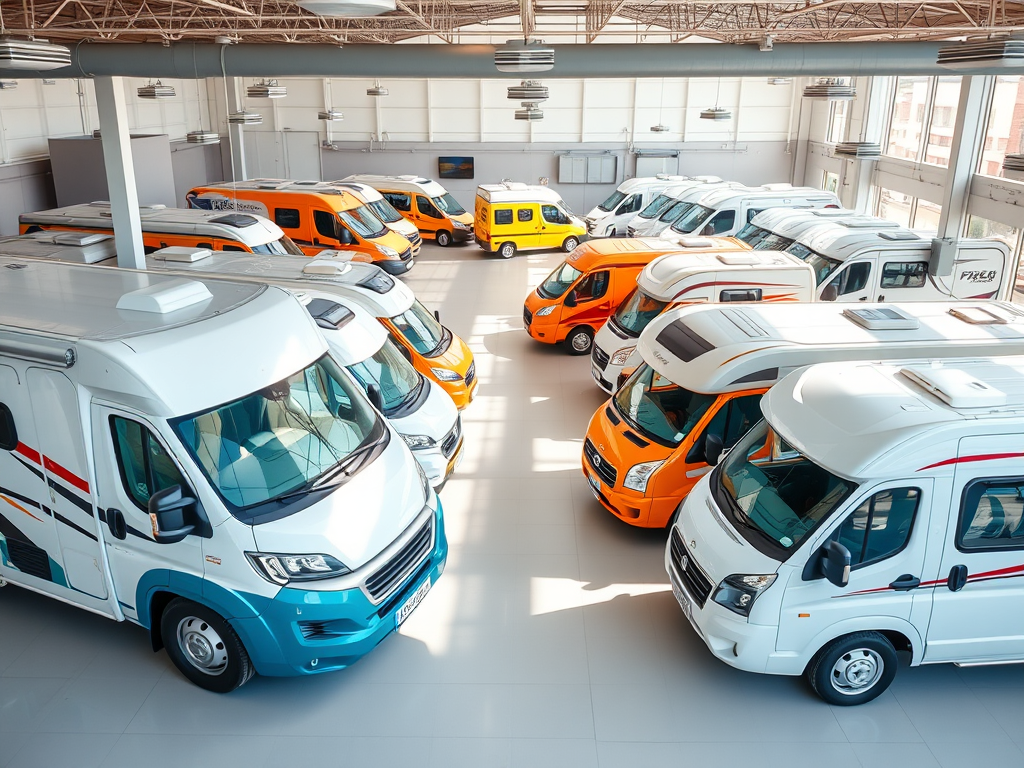
1) Understand the Benefits, Challenges, and Opportunities
Living in a motorhome offers a unique blend of freedom, adventure, and simplicity, but it also presents distinct challenges and hidden opportunities. For many, the allure of waking up to new landscapes and experiencing a minimalist, nature-centered lifestyle is undeniable. However, this lifestyle requires balancing practical considerations, such as limited space, budgeting, and vehicle maintenance, with the rewards of flexibility and exploration. Understanding the benefits, challenges, and growth opportunities that come with full-time vehicle living is key to making an informed choice and thriving on the road.
Benefits
There are a wide range of benefits, especially for those who value freedom, flexibility, and adventure.
Challenges
Adopting a motorhome lifestyle can be an exciting adventure, but it also comes with several challenges that require careful consideration.
Opportunities
Despite the aforementioned challenges, many people find that the freedom, adventure, and flexibility of the motorhome lifestyle outweigh the difficulties. With proper planning, adaptability, and a sense of adventure, these obstacles can often be managed effectively.
2) Decide if Full-Time Vehicle Living is Right for You
Before taking the leap, it’s essential to reflect on your goals, preferences, and needs to determine if this lifestyle aligns with your values. Below are key questions to help you make an informed decision.
What Are Your Goals and Priorities?
Think about why you’re considering full-time vehicle living. Are you seeking more freedom and flexibility? Do you want to travel full-time and immerse yourself in nature? Are you aiming to save money and downsize your life? Understanding your motivations will help you decide whether this lifestyle is a good fit. For example, if your goal is to explore national parks or work remotely from inspiring locations, this lifestyle may suit you perfectly.
How Comfortable Are You with Minimalism?
Living in a vehicle requires significant downsizing and a shift to minimalism. Ask yourself if you’re ready to live with fewer belongings and let go of material comforts. You’ll need to prioritize essentials and get creative with storage. If the thought of simplifying your life excites you, vehicle living could be a liberating experience. However, if you’re attached to large wardrobes, sentimental items, or big furniture, this adjustment may be more difficult.
Are You Prepared for Limited Space and Privacy?
Vehicles, even motorhomes, have limited space, which means you’ll be living, working, and sleeping in close quarters. If you plan to live with a partner, family, or pets, it’s important to consider how you’ll share the space and maintain personal boundaries. Ask yourself how you handle alone time, how much privacy you need, and whether you’re comfortable with close-knit living.
Can You Adapt to Uncertainty and Problem-Solving?
Vehicle living comes with unexpected challenges, such as mechanical breakdowns, bad weather, or difficulty finding a place to park overnight. You’ll need to be resourceful and adaptable to handle these situations calmly. If you enjoy problem-solving, quick decision-making, and spontaneity, this lifestyle could be an exciting adventure. On the other hand, if unpredictability causes you stress, it’s important to have strategies to mitigate those feelings.
Are You Comfortable Living Off-Grid or with Basic Amenities?
Depending on where you park and travel, there may be times when you won’t have access to running water, electricity, or reliable internet. Consider how comfortable you are with using portable power systems, outdoor showers, or gym memberships for hygiene needs. If you love camping and enjoy off-grid experiences, this may feel like second nature. If you require constant access to full amenities, you’ll need to carefully plan your setup and route.
How Will You Handle Work, Income, and Connectivity?
If you plan to work while living in your vehicle, consider how your job or business will fit into this lifestyle. Do you have a flexible job or reliable remote work setup? Will you need strong internet connectivity in remote areas? If you’re financially independent or planning a gap year, this may be less of a concern. However, if you need a stable work-life balance on the road, you’ll need a strategy to ensure productivity and income security.
Are You Comfortable with Outdoor Living?
Much of vehicle living involves spending time outdoors—whether for cooking, relaxing, or expanding your living space. If you love hiking, campfires, and stargazing, this lifestyle will likely be a perfect fit. However, if you dislike being outside for extended periods or worry about weather conditions, you’ll need to consider how you’ll stay comfortable in your vehicle during long stretches of bad weather.
Do You Have a Plan for Health, Safety, and Emergencies?
Your physical and mental well-being is crucial when living on the road. Consider how you’ll manage regular health care appointments, prescriptions, exercise, and mental health routines. You should also think about safety precautions, such as staying in well-lit areas, investing in secure locks, and keeping emergency supplies. If you’re confident in your ability to stay safe and healthy on the road, you’ll be more likely to thrive.
Are You Emotionally Ready for Change and Solitude?
Living in a vehicle full-time means stepping outside your comfort zone and embracing a new way of life. There may be moments of isolation, especially when traveling solo or spending time in remote areas. Reflect on whether you enjoy solitude or if you’ll need frequent social connections to feel happy. If relationships are important to you, consider how you’ll stay in touch with loved ones and build a community on the road.
Do You Have an Exit Plan?
It’s always wise to have a backup plan if you decide vehicle living isn’t for you in the long term. Think about what you’ll do if you need to transition back to traditional housing, whether that’s keeping a safety net of savings, having a family home to return to, or renting storage space for essential belongings. Knowing you have a safety net can make the leap into vehicle living feel less daunting.
3) Choose the Right Vehicle for Full-Time Living
Choosing the right vehicle for your full-time lifestyle is one of the most important decisions you’ll make. The type of vehicle you choose—whether it’s a car, SUV, truck, van, or RV—will determine your comfort, mobility, and expenses on the road. To make the best choice, you’ll need to assess your lifestyle priorities, budget, travel goals, and maintenance capabilities. Here’s a breakdown of key considerations to guide you in selecting the perfect home-on-wheels.
Space and Comfort Needs
Ask yourself how much living space you’ll need for sleeping, cooking, and relaxing. If you plan to travel solo and prefer a minimalist lifestyle, a small van, SUV, or truck bed camper might suit you well. However, if you’re traveling with a partner, family, or pets, you may need a larger vehicle with more storage, sleeping areas, and amenities. Motorhomes and larger campervans often come with built-in kitchens, bathrooms, and sitting areas, while smaller vehicles may require creative solutions, such as rooftop tents, outdoor kitchens, or portable furniture.
Travel Style
Your choice of vehicle should align with the type of travel you plan to do. If you’re drawn to off-the-grid adventures and rugged terrain, a 4×4 truck camper, SUV, or overlanding rig might be ideal for reaching remote locations. For those who prefer traveling between campgrounds and urban destinations, a larger RV or campervan may provide more comfort and convenience. Consider whether you want the flexibility to park anywhere or if you’re comfortable staying in designated RV parks or campgrounds.
Fuel Efficiency and Mobility
Fuel costs can add up quickly, especially on long trips. If you plan to cover significant distances or frequently move between locations, choosing a vehicle with good fuel efficiency, such as a campervan or converted SUV, can save you money. Larger motorhomes, while spacious, can be expensive to fuel and may be harder to maneuver in cities and tight spaces. Consider how much you’re willing to spend on fuel and how confident you feel driving larger vehicles in different environments.
Purchase and Maintenance Expenses
Your budget will heavily influence your vehicle choice. A fully equipped motorhome or professionally converted van can cost significantly more upfront than a DIY camper build in a used truck or SUV. However, larger vehicles may include more amenities and require fewer upgrades. Beyond the initial purchase, consider ongoing costs such as maintenance, insurance, repairs, and registration fees. If you’re handy with tools, building or converting a vehicle yourself can save money and allow for customization, but it may require time, effort, and technical skills.
Do-it-Yourself (DIY) vs. Pre-Built
There are two main routes when it comes to selecting your vehicle: purchasing a pre-built model or doing a DIY conversion. Pre-built options, such as Class B motorhomes, campervans, or truck bed campers, are ready to use and often come with warranties. However, they can be expensive and may not match your exact needs. DIY conversions, on the other hand, allow you to customize the vehicle’s interior to fit your preferences, but they require planning, budgeting, and construction skills. If you choose DIY, consider whether you have access to the necessary tools, workspace, and time to complete the project.
Amenities and Comfort Levels
What amenities are essential to you? Some people are comfortable with minimal setups, using portable stoves, outdoor showers, and gym memberships for hygiene. Others prefer the comfort of built-in kitchens, bathrooms, and climate control. Motorhomes often come with more “home-like” features, such as full plumbing systems and air conditioning, while vans and SUVs may require portable alternatives. Decide what comforts you’re willing to sacrifice and what is non-negotiable for your daily living.
Storage Needs
Storage space is crucial, especially if you’re traveling with outdoor gear, work equipment, or seasonal clothing. Motorhomes and larger campervans usually have more built-in storage cabinets and compartments, while SUVs and trucks may need external storage solutions like roof racks, cargo boxes, or tow-behind trailers. If you’re pursuing hobbies like biking, kayaking, or photography, ensure that your vehicle has enough space to store your gear safely.
Off-Grid Capabilities
If you plan to spend time off-grid, you’ll need a vehicle that supports independent living. This includes solar panels, extra water tanks, and portable or built-in battery systems. Motorhomes and some campervans come pre-equipped with off-grid power systems, while smaller vehicles often require additional upgrades to support extended off-grid stays. Consider how self-sufficient you want to be and whether your vehicle choice can handle boondocking (camping without hookups) for long periods.
Test It Out First
If you’re new to vehicle living, consider renting different types of vehicles before committing to a purchase. This will give you a feel for the space, driving experience, and daily routines involved with different setups. You can rent campervans, motorhomes, and truck campers through services like Outdoorsy or RVShare to test the lifestyle and identify your must-have features.
Repairs and Accessibility
Some vehicles, such as vintage vans or imported rigs, can be difficult and expensive to repair due to limited parts availability. Consider how easy it will be to find replacement parts or mechanics who can service your vehicle in remote areas. Modern vans, SUVs, and trucks often have better access to parts and service centers compared to specialty vehicles like custom overland rigs or European motorhomes.
4) Choose to Rent or Buy
Choosing whether to rent or buy your vehicle before transitioning to full-time living is a crucial step that can save you time, money, and stress. For those new to the mobile lifestyle, renting offers an excellent way to “try before you buy” and get a feel for what works best for your needs. On the other hand, buying may be a better option if you’re ready to commit long-term and want to customize your setup. Below is a breakdown of the key considerations for both renting and buying, along with tips on how to use rentals to test the lifestyle effectively.
Renting
Renting a motorhome, campervan, or converted SUV offers several advantages, especially for first-timers:
While renting is a useful testing ground, it’s important to be aware of potential drawbacks:
Renting is a great option if:
Pro Tips for Renting

- Practice daily routines like cooking, sleeping, working (if applicable), and maintaining the vehicle to get a realistic feel for what full-time living might entail.
- Pay attention to what you like and dislike about the vehicle—Is the bed comfortable? Is there enough storage? How does the vehicle handle on highways or rough terrain?
- Try renting during different seasons or in various climates to see how the vehicle performs in extreme weather conditions.

Resources for Renting
- Outdoorsy – A peer-to-peer RV rental platform where you can rent everything from campervans and Class B RVs to trailers and Class C motorhomes.
- RVShare – Another popular RV rental platform that offers a wide range of recreational vehicles for both short and long-term rentals.
- Turo – A car-sharing service where you can rent SUVs, trucks, or off-road-capable vehicles for overland testing.
- Escape Campervans – A rental company specializing in budget-friendly, fully equipped campervans perfect for testing van life.
- Cruise America – A trusted rental service for larger Class C RVs, ideal for those considering a more spacious setup.
- Local RV Dealership Rentals: Many local RV dealerships offer rental programs, which can give you access to newer models or specific brands you’re considering for purchase.
Buying
Buying your own vehicle may be the better choice if you’re committed to the lifestyle or want full control over your setup:
However, buying also comes with responsibilities and risks:
Buying may be the right option if:
Pro Tips for Buying
- Hire a trusted mechanic or RV specialist to inspect the vehicle before finalizing the purchase. They can identify hidden issues like engine problems, leaks, or electrical malfunctions that could lead to costly repairs later. Even for new vehicles, an inspection can catch factory defects or overlooked issues.
- Even if you’ve fallen in love with the vehicle, don’t accept the first offer. Research the fair market value using tools like Kelley Blue Book or NADA Guides, and use any findings from the inspection to negotiate repairs, discounts, or upgrades. Be polite but firm—sellers often expect negotiations, especially on used vehicles.
- Ensure that the title is clean (not salvaged or rebuilt) and that the VIN (Vehicle Identification Number) matches on all paperwork. If you’re buying new, understand the coverage of the manufacturer’s warranty. For used vehicles, consider purchasing an extended warranty for added peace of mind, especially if you’re buying a motorhome with complex systems.
- If you’re financing, shop around for competitive interest rates before you commit to dealership financing. Credit unions often offer better rates than banks. Additionally, secure your insurance policy before you drive away—especially for full-time living—so you’re covered for accidents, theft, and emergency expenses from day one.
Resources for Buying
- Online Marketplaces
- RV Trader – A popular platform for buying new and used RVs, campervans, and trailers from dealers and private sellers.
- Van Life Trader – A marketplace specifically for buying and selling campervans, RVs, and skoolies (converted school buses).
- Facebook Marketplace – A great place to find local listings for used campervans, SUVs, and trucks.
- Craigslist – Browse regional listings for budget-friendly vehicles, though be cautious and check vehicle history thoroughly.
- eBay Motors – Useful for finding specialty vehicles, custom builds, and parts.
- Dealerships and Manufacturers
- Carvana – An online dealership where you can browse used SUVs and trucks, with vehicle delivery and financing options.
- Mercedes-Benz Sprinter – Visit for official listings of new and certified pre-owned Sprinter vans, a popular choice for van conversions.
- Ford Transit – Explore dealerships offering Ford Transits if you’re considering this van for a camper build.
- Cruise America RV Sales – Offers used Class C RVs for sale after rental use, often with maintenance records included.
- Vehicle History and Inspection Tools
- Carfax – Access vehicle history reports to check for accidents, previous owners, and maintenance records.
- VINCheck by the NICB – A free service to check whether a vehicle has been reported as stolen or salvaged.
- Lemon Squad – A nationwide vehicle inspection service that can send a certified mechanic to inspect a vehicle before purchase
5) Buy a Pre-Built Vehicle or a Vehicle for Conversion
If you choose to buy a vehice, then you will have a follow-up choice to make: whether you want to purchase a vehicle already converted for full-time living or buy a vehicle to convert either yourself or with expert help. It’s important to understand what you’re paying for and budget accordingly, as the initial cost of your vehicle will be one of the biggest expenses in your journey to full-time vehicle living. Below, is a breakdown of the key costs associated with buying or converting your vehicle so you can plan your investment wisely.
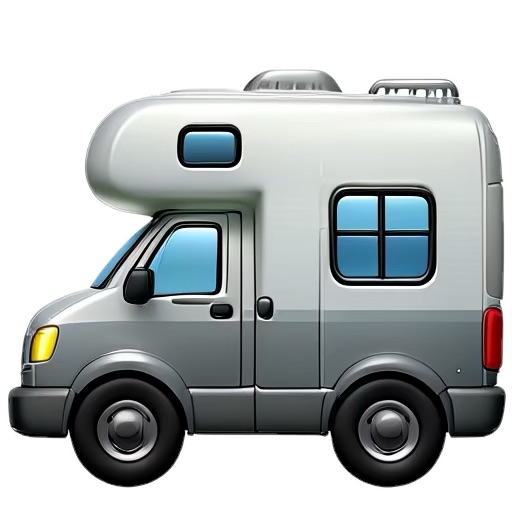
Buying a New Pre-Built Vehicle
Vehicle Price:
- Class A Motorhomes (Large RVs): $100,000–$500,000+
- Class B Campervans (Van Conversions): $60,000–$160,000+
- Class C RVs (Mid-Sized Motorhomes): $50,000–$150,000
- Truck Campers: $10,000–$70,000
- SUVs and Off-Road Rigs: $10,000–$50,000 (depending on size and capability)
Taxes and Registration: Depending on your state, vehicle taxes and registration fees can add thousands to your total cost. Some states, like California, have higher fees, while states like South Dakota or Texas may offer lower costs for vehicle registration.
Dealer Fees: If you’re buying from a dealer, there may be added costs such as documentation fees, prep fees, or extended warranty upsells.
Even pre-built RVs and campervans may need modifications and add-ons for your specific lifestyle, such as: Solar panels for off-grid living; Additional storage solutions; Enhanced suspension for rugged terrain; and Wi-Fi boosters or tech upgrades for remote work.

Buying a Used Pre-Built Vehicle
Used vehicles can be a budget-friendly option, but they may require more upfront maintenance and repairs.
Initial Price: Used vehicles are generally 20–50% cheaper than new vehicles, depending on their age, mileage, and condition.
Repairs and Upgrades: Used RVs, vans, and trucks often require:
- New tires ($800–$1,500 for a set of four or six, depending on the vehicle size)
- Brake replacements ($300–$1,000+)
- Engine repairs or oil leaks (can range from $200 to $2,000+)
- New water tanks, plumbing, or propane systems for older RVs

Converting a DIY Car, SUV, Truck, or Van
If you prefer a highly customizable setup, converting a vehicle yourself can be rewarding and cost-effective—but the expenses can add up quickly if you’re not careful.
Vehicle Base Price:
- Used Cargo Van (e.g., Ford Transit, Ram Promaster, Mercedes Sprinter): $15,000–$50,000+
- SUV (e.g., Toyota 4Runner, Jeep Wrangler): $10,000–$30,000
- Truck (for camper builds): $20,000–$50,000+
Build Expenses:
- Insulation and Walls: $500–$2,000
- Electrical System: $1,500–$5,000
- Plumbing System: $300–$1,500
- Kitchen Setup: $300–$1,000
- Bed and Furniture: $200–$1,500
- Ventilation: $300–$600
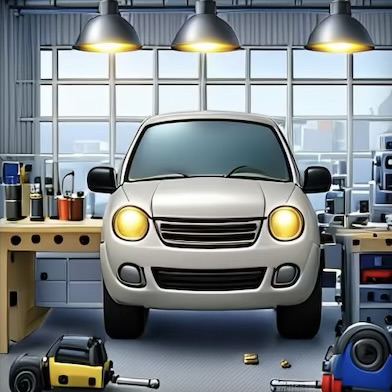
Hiring a Professional Conversion Company
For those who want the customization of a DIY build without the labor, professional conversion companies offer high-quality, custom builds.
Key Costs for a Professional Build:
- Base Vehicle Price: $15,000–$60,000+ (depending on the type of van or truck you start with).
- Build-Out Costs: $20,000–$100,000+ (depending on features, materials, and complexity).
- Customization Fees: Some companies charge extra for unique requests like built-in composting toilets, luxury finishes, or off-grid power systems.
While professional builds are more expensive upfront, they typically come with warranties and expert craftsmanship.
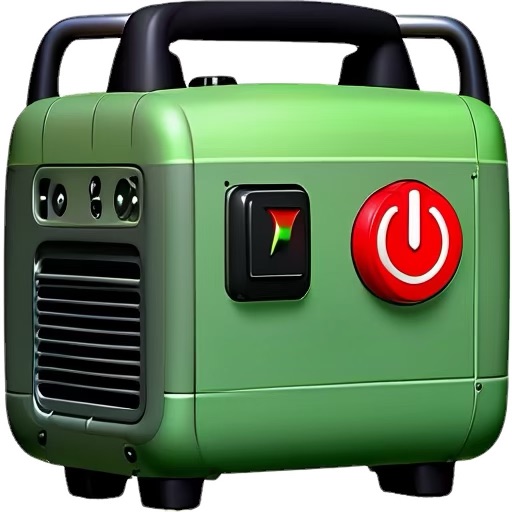
Essential Gear and Initial Supplies
No matter what type of vehicle you buy or convert, you’ll need additional gear and supplies to live comfortably.
Common Initial Expenses:
- Portable Power Station (if not built-in): $300–$3,000 (e.g., Jackery, Goal Zero).
- Solar Panels: $200–$1,500 (depending on wattage and brand).
- Cooking Gear: $100–$500 (for portable stoves, pots, pans, utensils, etc.).
- Water Filtration: $50–$200 (for filters, pumps, or jugs).
- Portable Toilet: $100–$1,000 (depending on composting or cassette toilet models).
- Bedding and Organization: $100–$500 (for foldable storage, mattresses, etc.).
Cost Comparison Tools and Budget Calculators
- FarOutRide Conversion Cost Breakdown – A detailed cost analysis of a DIY van conversion, including individual prices for insulation, flooring, power, and more.
- Explorist.life Budget Calculator – A free, interactive van conversion cost calculator that helps you estimate the total cost based on the size of your vehicle and the type of systems you want.
- The Wayward Home Van Build Cost Guide – An article comparing the cost of pre-built vans versus DIY conversions, complete with price ranges and examples.
- Campervan Cost Calculator by Project Van Life – A resource that helps you estimate conversion costs for different budgets, including minimal, mid-range, and luxury builds.
6) Budget for Insurance and Maintenance
Once you’ve purchased or converted your vehicle, your regular vehicle expenses will shape your financial life on the road. While living in a vehicle can be more affordable than maintaining a traditional home, there are ongoing costs to consider, such as insurance and maintenance. Your monthly budget will vary based on your travel style, but understanding the key categories can help you plan and stay financially secure.
For more information on the costs associated with travel such as fuel, food, and camp fees, please read the post entitled, “Planning Your Journey.”
Insurance (Vehicle and Health)
Insurance is a non-negotiable expense that protects your vehicle and your well-being.
Vehicle Insurance:
- Full-time RV or van insurance covers your vehicle, personal belongings, and liability.
- Costs vary by vehicle type, driving history, and state. RVs and larger vehicles often cost more to insure.
Typical Monthly Vehicle Insurance Costs:
- SUV/Truck Camper: $80–$150
- Class B Campervan: $120–$200
- Class C or Class A RV: $200–$300+
Health Insurance: If you’re traveling across state lines frequently, consider a plan that offers nationwide coverage or telehealth services. Some full-time travelers opt for health-sharing programs, while others use private plans or the ACA marketplace. The typical monthly health insurance costs range from $150–$500+ (depending on coverage and location).
Maintenance and Repairs Fund
Regular maintenance keeps your vehicle running smoothly, but you should also set aside funds for unexpected repairs.
Common Maintenance Costs:
- Oil changes: $50–$150 (depending on vehicle size).
- Tire rotations or replacements: $100–$1,000+ (depending on tire size).
- Brake repairs or replacements: $300–$1,000+
Monthly Maintenance Budget Recommendation: Set aside $100–$300 monthly, depending on your vehicle’s age and condition.
7) Develop an Emergency Fund
An emergency fund is crucial for anyone living in a vehicle, as unexpected expenses can arise from breakdowns, medical issues, or sudden changes in plans. Unlike a traditional lifestyle where help may be nearby, life on the road often involves being in remote areas where repairs and services may be more expensive or harder to access. Building a robust savings cushion ensures you can handle emergencies without jeopardizing your financial stability or cutting your trip short. Below is an in-depth look at how to build and manage your emergency fund and long-term savings.
Why You Need an Emergency Fund
Emergencies on the road can range from inconvenient to costly. Some common scenarios include:
- Vehicle Breakdowns: Engine issues, blown tires, or transmission failures that require towing and repairs.
- Medical Expenses: Unexpected medical care, prescriptions, or urgent telehealth consultations.
- Weather-Related Relocation: Needing to evacuate or stay in a hotel due to severe weather like hurricanes, wildfires, or snowstorms.
- Temporary Housing: In case your vehicle requires long-term repairs and you need to rent a place to stay.
An emergency fund provides peace of mind, allowing you to handle these situations without going into debt or disrupting your lifestyle.
How Much Should You Save?
The ideal size of your emergency fund will depend on your lifestyle, vehicle type, and level of risk tolerance. Here are some guidelines:
- Minimum Emergency Fund: 3 months of essential expenses (including fuel, food, and insurance).
- Recommended Fund: 6 months of expenses for more financial security.
- Ideal Fund for Full-Time Travelers: $10,000–$15,000+ (especially if you drive an older vehicle prone to repairs or travel in remote areas).
Key Costs to Include in Your Calculation:
- Major vehicle repairs (engine rebuilds, transmission replacements, etc.)
- Medical deductibles and out-of-pocket costs
- Alternative lodging (hotel or short-term rental during repairs)
- Towing and roadside assistance fees (especially if you’re far from a service station)
Managing Your Emergency Fund
Once you’ve built your emergency fund, it’s important to keep it organized and only use it for true emergencies.
- Create a Separate Account: Keep your emergency fund separate from your everyday checking account to avoid temptation.
- Replenish After Use: If you dip into your emergency fund, prioritize rebuilding it as soon as possible.
- Track Your Expenses: Keep a record of what you use your fund for to help you plan better for future needs.
You can set up a secondary “maintenance fund” to cover regular upkeep and small repairs, keeping your emergency fund reserved for major issues.
Resources for Roadside Assistance and Emergency Repairs
- AAA (American Automobile Association) – Offers 24/7 roadside assistance, towing, and discounts on vehicle maintenance. Their RV and campervan coverage includes higher towing limits and extra benefits.
- Good Sam Roadside Assistance – Specializes in RV and campervan roadside assistance, offering unlimited towing to the nearest repair center and discounts on parts and services.
- Coach-Net – An RV-specific roadside assistance plan that includes tire assistance, battery jumps, and trip-interruption reimbursement.
- Allstate Roadside Services – Provides roadside coverage that’s available even if you’re driving someone else’s vehicle.
- AutoZone Rewards – A rewards program that offers discounts and coupons for auto parts and tools.
- NAPA AutoCare Centers – A network of trusted repair shops that often offers free diagnostics and discounted services for NAPA members.
- RepairPal – A cost estimator that shows you fair repair prices in your area, helping you avoid overpaying.
- YouTube Channels (e.g., ChrisFix, Scotty Kilmer) – Free DIY repair videos for common vehicle issues, which can save hundreds of dollars in labor costs.
8) Plan for Long-Term Financial Goals
While managing day-to-day expenses is essential, long-term financial planning ensures you can sustain your vehicle-dwelling lifestyle, prepare for future changes, and achieve your larger life goals. Whether you’re planning to stay on the road indefinitely or transition to traditional housing later, having a clear financial strategy helps you stay secure and flexible.
Define Your Long-Term Goals
The first step in financial planning is identifying your goals. Consider the following questions:
- How long do you plan to live on the road? (Is this a temporary phase or a permanent lifestyle?)
- Do you want to save for a home, land, or new vehicle in the future?
- Are you working toward retirement or building passive income streams?
- Do you want to fund major adventures, like international travel or expensive hobbies?
Having clear goals will guide your financial decisions and help you allocate your savings and investments accordingly.
Continue Contributing to Retirement Savings
Just because you’re on the road doesn’t mean you should pause your retirement savings. Whether you’re employed, self-employed, or freelancing, there are several ways to build your retirement fund:
- Traditional and Roth IRAs: Contribute up to the annual limit to take advantage of tax benefits.
- Solo 401(k) or SEP IRA: If you’re self-employed, these options allow for higher contribution limits.
Automate Your Savings and Investments
Automating your finances ensures you stay consistent with your goals without constant effort.
- Recurring Transfers: Set up automatic transfers to savings accounts, retirement funds, and emergency funds.
- Round-Up Apps: Use apps like Acorns to round up your purchases and invest the spare change.
- Budgeting Tools: Use apps like YNAB (You Need a Budget) or Mint to track your spending and ensure you’re contributing to your financial goals.
Create a Plan for Returning to Traditional Housing (If Applicable)
If you plan to return to a stationary home in the future, set financial goals to make that transition smoother:
- Save for a Security Deposit or Down Payment: Set aside funds for renting or buying a home.
- Build Your Credit Score: Keep your credit score healthy by making timely payments and avoiding excessive debt.
- Track Housing Market Trends: If you plan to buy property, research housing costs in your desired location to create an accurate savings target.
Track Progress and Adjust as Needed
Life on the road can change quickly, so it’s important to review your financial plan regularly:
- Quarterly Check-Ins: Assess your savings, spending, and income streams to see if you’re on track.
- Adjust for Lifestyle Changes: If your goals or expenses change (e.g., you decide to travel internationally), update your budget and savings plan accordingly.
- Celebrate Milestones: Recognize when you hit savings milestones to stay motivated and focused.
Resources for Longer-Term Financial Planning
- Vanguard – Offers low-cost index funds and ETFs, making it ideal for long-term, buy-and-hold investors focused on minimizing fees and maximizing growth.
- Fidelity Investments – Provides zero-fee index funds, a user-friendly platform, and retirement planning tools, making it great for beginners and experienced investors alike.
- Charles Schwab – A versatile brokerage with commission-free trades, robo-advisors, and a wide selection of ETFs and mutual funds for long-term investors.
- Betterment – A robo-advisor offering automated, goal-based investing using low-cost ETFs, ideal for hands-off investors looking to grow wealth over time.
- M1 Finance – Combines customizable portfolios with automation and fractional shares, making it perfect for long-term investors who want both control and convenience.
- Public.com – A social investing platform that allows users to trade commission-free stocks and ETFs, share insights, and build long-term wealth.
- Morningstar – Provides in-depth research, ratings, and performance reports on stocks, ETFs, and mutual funds to help long-term investors make informed decisions.
- r/Bogleheads – A community of long-term, passive investors who follow low-cost, index fund strategies inspired by Vanguard founder John Bogle.
 Vehicle Dwelling Nomad
Leave a comment