Contents
- Introduction
- Benefits, Challenges, and Opportunities
- How to Decide if Full-Time Vehicle Living is Right for You
- Choosing the Right Vehicle for Full-Time Living
- Renting vs. Buying: How to Test the Lifestyle Before Committing
- Conclusion
Introduction
Embarking on a vehicle-dwelling lifestyle—whether in a van, truck, SUV, or RV—is an exciting step toward freedom, adventure, and minimalism. However, it’s also a significant transition that requires careful planning and reflection. Preparing for life on the road involves more than just choosing the right vehicle; it’s about understanding your goals, evaluating your needs, and setting yourself up for success.
This post will walk you through the foundational steps for getting started, from weighing the pros and cons of vehicle living to deciding whether to rent or buy your first home-on-wheels. You’ll also find guidance on selecting the best type of vehicle for your travel style, budgeting for your new lifestyle, and navigating the logistics of downsizing and organizing your space. Whether you’re dreaming of full-time travel or planning an extended road trip, this guide will help you make informed decisions and build a life of mobility and adventure with confidence.
Benefits, Challenges, and Opportunities
Living in a motorhome offers a unique blend of freedom, adventure, and simplicity, but it also presents distinct challenges and hidden opportunities. For many, the allure of waking up to new landscapes and experiencing a minimalist, nature-centered lifestyle is undeniable. However, this lifestyle requires balancing practical considerations, such as limited space, budgeting, and vehicle maintenance, with the rewards of flexibility and exploration. Understanding the benefits, challenges, and growth opportunities that come with full-time vehicle living is key to making an informed choice and thriving on the road.
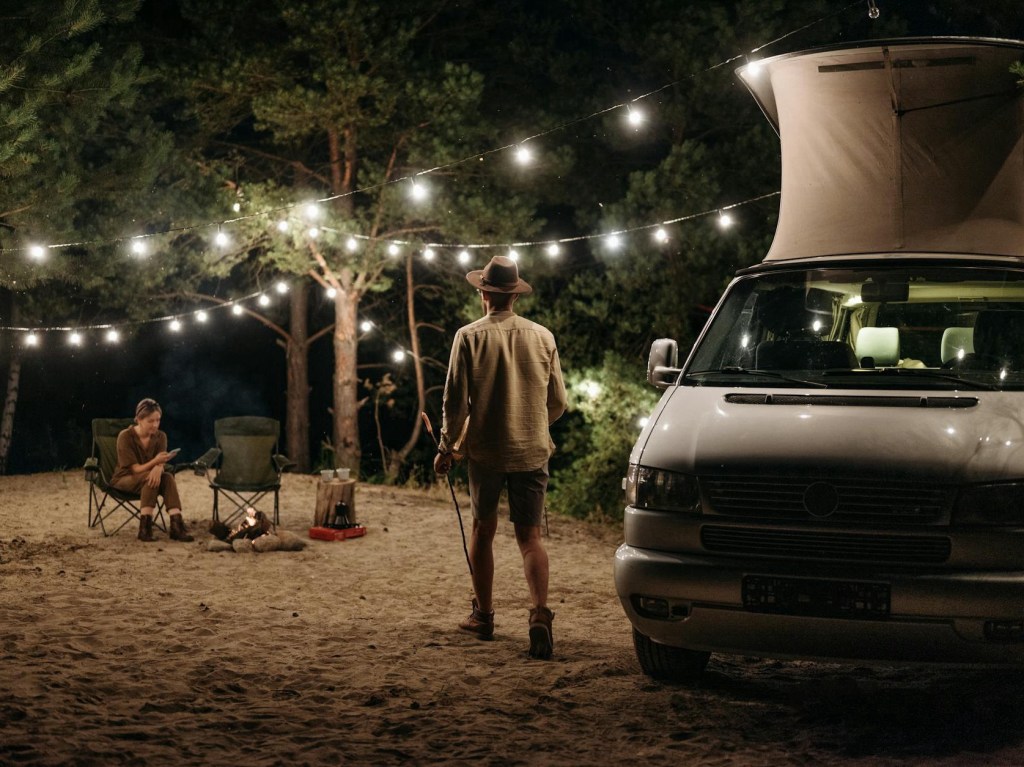
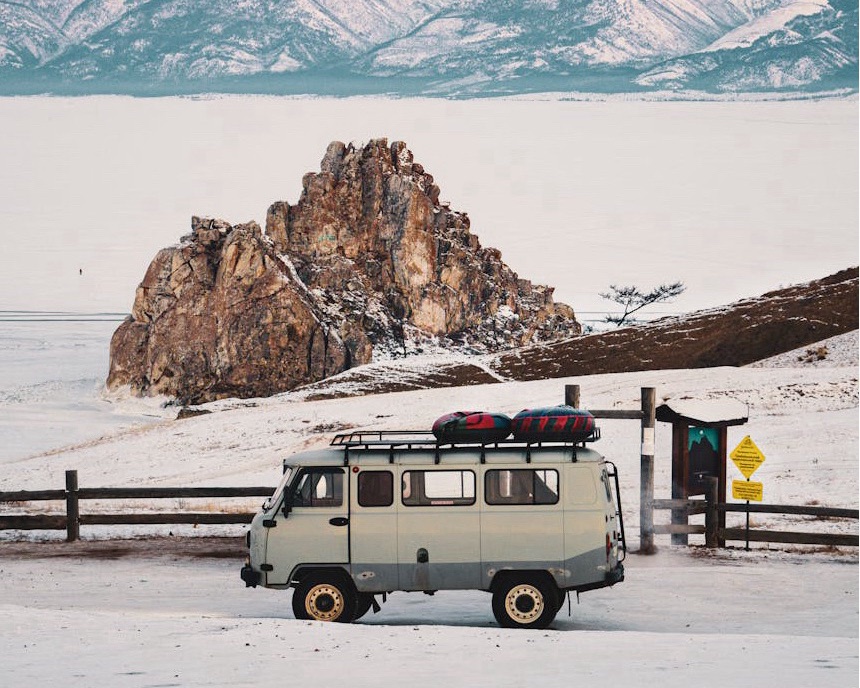

Benefits
There are a wide range of benefits, especially for those who value freedom, flexibility, and adventure.
- Mobility and Freedom: Motorhomes provide the freedom to travel wherever and whenever you desire. You have the ability to explore new places, change your scenery, and embark on spontaneous adventures. With a motorhome, your home is always with you, allowing you to embrace a nomadic lifestyle and experience the thrill of the open road.
- Flexibility and Independence: Motorhomes enable you to be self-sufficient and independent. You have the freedom to choose your own schedule, itinerary, and destinations. You can wake up to breathtaking views, park in scenic locations, and enjoy the serenity of nature. Motorhome living enables you to create your own unique experiences and adapt your lifestyle to suit your preferences.
- Connection with Nature: You can camp in national parks, by lakes, or near mountains, enjoying the beauty and tranquility of the great outdoors. The ability to wake up surrounded by nature and engage in outdoor activities like hiking, kayaking, fishing, or stargazing is a major draw for many motorhome enthusiasts. The proximity to nature can also promote mindfulness, relaxation, and a healthier lifestyle.
- Cost-Effective Travel: For some, the motorhome lifestyle can be more affordable than maintaining a traditional home. While there are upfront and recurring costs, full-time RV living can eliminate mortgage or rent payments, property taxes, and utility bills. In addition, by eliminating the need for hotels and restaurants, you can save money on accommodation and dining expenses. Additionally, having your own kitchen allows you to prepare meals and reduce food costs. With careful planning, motorhome living can offer an affordable way to see new places and enjoy extended travel experiences.
- Community and Camaraderie: The motorhome community is known for its camaraderie and sense of community. You can connect with fellow motorhome enthusiasts at campgrounds, RV parks, or through online communities. Sharing stories, tips, and experiences with like-minded individuals can enhance the joy of motorhome living and create lasting friendships.
- Simplified Living: With limited space, you are prompted to declutter and prioritize what truly matters. This minimalist approach can lead to a sense of freedom, reduced stress, and a focus on experiences rather than material possessions.
- Reduced Environmental Footprint: Living in a smaller space typically leads to lower energy consumption and waste production. Solar panels, composting toilets, and water-saving habits can further reduce your impact on the environment. Many within the motorhome community adopt a more sustainable, eco-friendly lifestyle as they become more conscious of their resource use.
- Increased Self-Sufficiency: Living in a motorhome fosters resourcefulness and independence. You learn valuable skills such as handling repairs, managing water and power, and navigating unfamiliar places. This self-sufficiency can boost confidence and provide a sense of accomplishment.
- Connection with Nature: You can camp in national parks, by lakes, or near mountains, enjoying the beauty and tranquility of the great outdoors. The ability to wake up surrounded by nature and engage in outdoor activities like hiking, kayaking, fishing, or stargazing is a major draw for many motorhome enthusiasts. The proximity to nature can also promote mindfulness, relaxation, and a healthier lifestyle.
Challenges
Adopting a motorhome lifestyle can be an exciting adventure, but it also comes with several challenges that require careful consideration.
- Financial Concerns: Financial concerns are often at the forefront, as the initial cost of purchasing or retrofitting a motorhome can be high. Additionally, regular maintenance of the engine, tires, and internal systems like plumbing and electrical can quickly add up. Fuel expenses can also become significant, especially for long road trips, and campground fees or RV park stays may come with nightly or monthly costs. On top of that, motorhome insurance and extended warranties add another recurring expense.
- Space Limitations: Space limitations require significant downsizing, as storage is minimal, and you must adjust to having fewer belongings and comforts. Privacy can also be an issue since the confined space makes it difficult to find alone time, especially if you’re traveling with family or pets. Hosting guests can be challenging due to the lack of extra space.
- Logistics and Planning: The lifestyle demands careful logistics and planning, such as mapping safe routes, finding campgrounds, and locating service stations. Managing and disposing of waste from the gray and black water tanks is essential but can be unpleasant and time-consuming. Additionally, weather conditions like extreme heat or cold can make life on the road uncomfortable or even unsafe without proper insulation or climate control.
- Staying Connected: In remote areas, cellular service and internet access may be limited or unreliable, making remote work or communicating with loved ones difficult. Mobile data plans with hotspots can help but may have high costs or restrictive limits.
- Legal and Bureaucratic: Without a permanent address, managing mail, registering to vote, or receiving packages can be tricky. Finding legal and safe overnight parking, especially in urban areas, can also be challenging due to local regulations.
- Lifestyle Changes: You may experience isolation when traveling far from family and friends, and constant movement can disrupt routines such as working, exercising, or pursuing hobbies. Consistent medical care can also be difficult to maintain when you’re always on the move.
- Safety and Security: Motorhomes are more vulnerable to break-ins, especially when parked in unfamiliar places. Larger vehicles can be harder to maneuver, increasing the risk of accidents, and weather hazards like storms or wildfires can pose serious risks while on the road.
- Maintaining a Sense of Community and Relationships: Although the motorhome lifestyle offers freedom, it can also lead to feelings of loneliness, especially if you’re frequently traveling solo. Staying connected to loved ones and maintaining meaningful relationships may require extra effort due to the distance and travel schedules.
Opportunities
Despite the aforementioned challenges, many people find that the freedom, adventure, and flexibility of the motorhome lifestyle outweigh the difficulties. With proper planning, adaptability, and a sense of adventure, these obstacles can often be managed effectively.
- Financial Planning and Budgeting: To manage expenses, create a detailed budget that accounts for maintenance, fuel, insurance, campground fees, and emergency savings. Consider joining RV memberships or loyalty programs that offer discounts on camping fees, fuel, and repairs. Boondocking (camping for free on public lands) can also help reduce overnight fees. Additionally, learning basic maintenance and repair skills can help avoid costly service fees.
- Maximizing Space and Organization: Invest in space-saving solutions such as collapsible kitchenware, modular storage bins, and multi-purpose furniture. Declutter regularly to avoid overcrowding and focus on keeping only essential items. Adding rooftop cargo boxes or external storage solutions can free up indoor space. To improve privacy, use room dividers, noise-canceling headphones, or create a personal space routine.
- Route and Campground Planning: Use RV-specific GPS apps to plan routes that avoid low bridges and narrow roads while highlighting rest stops and fuel stations. Reserve campgrounds in advance, especially during peak seasons, and research locations with dump stations for water and waste disposal. Joining apps like Campendium and iOverlander can help find free or affordable camping spots with good amenities.
- Improving Connectivity: Invest in mobile hotspots, signal boosters, or RV-specific Wi-Fi routers to strengthen internet access in remote areas. Choose mobile data plans designed for travelers, such as unlimited plans with hotspot features. You can also download offline maps and entertainment content in case of signal loss.
- Managing Mail and Legal Needs: Sign up for mail forwarding services that provide a permanent address and forward your mail to your current location. You can also use digital scanning services that send scanned copies of important mail to your email. Research state residency options that support full-time RV living, such as states with low taxes and simplified registration processes (e.g., Florida, South Dakota, Texas).
- Establishing Routines and Self-Care: Maintain a daily routine to create a sense of normalcy. Schedule regular exercise, work hours, and downtime. Incorporate hobbies that are travel-friendly, such as reading, hiking, or photography. For medical care, plan trips around regular check-ups and consider telehealth services for consultations.
- Staying Safe and Secure: Invest in high-quality locks, surveillance cameras, and motion-activated lights for added security. Park in well-lit, populated areas to reduce the risk of theft or break-ins. When traveling in severe weather regions, stay informed by using weather apps and alerts, and always have an evacuation plan in place.
- Building Community and Connections: Join RV communities online or at campgrounds to connect with like-minded travelers. Social media groups, RV meet-ups, and organized caravans can help combat isolation and foster friendships. Staying connected with family and friends through regular calls, video chats, or visits can also strengthen relationships.
How to Decide if Full-Time Vehicle Living is Right for You
Before taking the leap, it’s essential to reflect on your goals, preferences, and needs to determine if this lifestyle aligns with your values. Below are key questions and considerations to help you make an informed decision.

What Are Your Goals and Priorities?
Think about why you’re considering full-time vehicle living. Are you seeking more freedom and flexibility? Do you want to travel full-time and immerse yourself in nature? Are you aiming to save money and downsize your life? Understanding your motivations will help you decide whether this lifestyle is a good fit. For example, if your goal is to explore national parks or work remotely from inspiring locations, this lifestyle may suit you perfectly.
How Comfortable Are You with Minimalism?
Living in a vehicle requires significant downsizing and a shift to minimalism. Ask yourself if you’re ready to live with fewer belongings and let go of material comforts. You’ll need to prioritize essentials and get creative with storage. If the thought of simplifying your life excites you, vehicle living could be a liberating experience. However, if you’re attached to large wardrobes, sentimental items, or big furniture, this adjustment may be more difficult.
Are You Prepared for Limited Space and Privacy?
Vehicles, even motorhomes, have limited space, which means you’ll be living, working, and sleeping in close quarters. If you plan to live with a partner, family, or pets, it’s important to consider how you’ll share the space and maintain personal boundaries. Ask yourself how you handle alone time, how much privacy you need, and whether you’re comfortable with close-knit living.
Can You Adapt to Uncertainty and Problem-Solving?
Vehicle living comes with unexpected challenges, such as mechanical breakdowns, bad weather, or difficulty finding a place to park overnight. You’ll need to be resourceful and adaptable to handle these situations calmly. If you enjoy problem-solving, quick decision-making, and spontaneity, this lifestyle could be an exciting adventure. On the other hand, if unpredictability causes you stress, it’s important to have strategies to mitigate those feelings.
Are You Comfortable Living Off-Grid or with Basic Amenities?
Depending on where you park and travel, there may be times when you won’t have access to running water, electricity, or reliable internet. Consider how comfortable you are with using portable power systems, outdoor showers, or gym memberships for hygiene needs. If you love camping and enjoy off-grid experiences, this may feel like second nature. If you require constant access to full amenities, you’ll need to carefully plan your setup and route.
How Will You Handle Work, Income, and Connectivity?
If you plan to work while living in your vehicle, consider how your job or business will fit into this lifestyle. Do you have a flexible job or reliable remote work setup? Will you need strong internet connectivity in remote areas? If you’re financially independent or planning a gap year, this may be less of a concern. However, if you need a stable work-life balance on the road, you’ll need a strategy to ensure productivity and income security.
Are You Comfortable with Outdoor Living?
Much of vehicle living involves spending time outdoors—whether for cooking, relaxing, or expanding your living space. If you love hiking, campfires, and stargazing, this lifestyle will likely be a perfect fit. However, if you dislike being outside for extended periods or worry about weather conditions, you’ll need to consider how you’ll stay comfortable in your vehicle during long stretches of bad weather.
Do You Have a Plan for Health, Safety, and Emergencies?
Your physical and mental well-being is crucial when living on the road. Consider how you’ll manage regular health care appointments, prescriptions, exercise, and mental health routines. You should also think about safety precautions, such as staying in well-lit areas, investing in secure locks, and keeping emergency supplies. If you’re confident in your ability to stay safe and healthy on the road, you’ll be more likely to thrive.
Are You Emotionally Ready for Change and Solitude?
Living in a vehicle full-time means stepping outside your comfort zone and embracing a new way of life. There may be moments of isolation, especially when traveling solo or spending time in remote areas. Reflect on whether you enjoy solitude or if you’ll need frequent social connections to feel happy. If relationships are important to you, consider how you’ll stay in touch with loved ones and build a community on the road.
Do You Have an Exit Plan?
It’s always wise to have a backup plan if you decide vehicle living isn’t for you in the long term. Think about what you’ll do if you need to transition back to traditional housing, whether that’s keeping a safety net of savings, having a family home to return to, or renting storage space for essential belongings. Knowing you have a safety net can make the leap into vehicle living feel less daunting.
Choosing the Right Vehicle for Full-Time Living
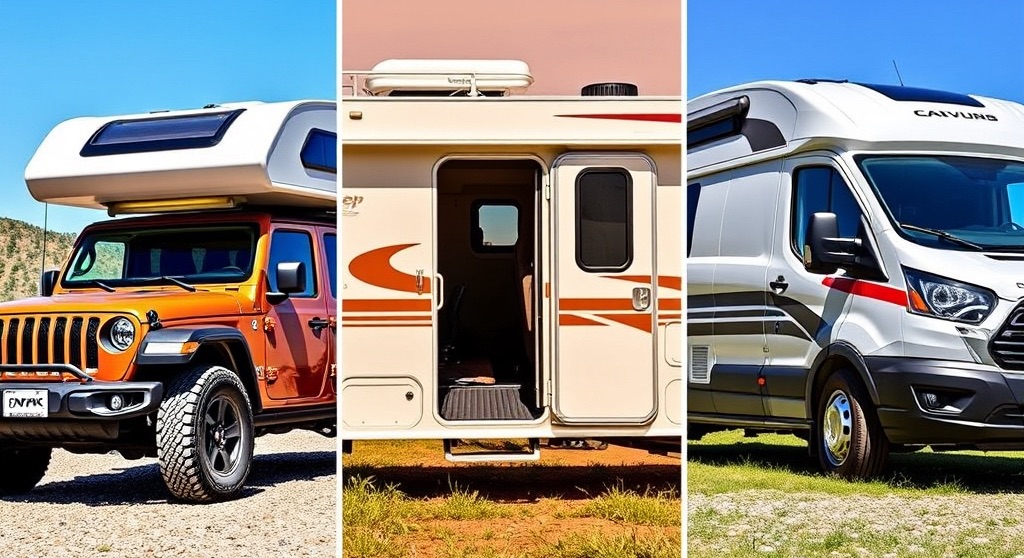
Choosing the right vehicle for your full-time lifestyle is one of the most important decisions you’ll make. The type of vehicle you choose—whether it’s a van, SUV, RV, or truck—will determine your comfort, mobility, and expenses on the road. To make the best choice, you’ll need to assess your lifestyle priorities, budget, travel goals, and maintenance capabilities. Here’s a breakdown of key considerations to guide you in selecting the perfect home-on-wheels.
Consider Your Space and Comfort Needs
Ask yourself how much living space you’ll need for sleeping, cooking, and relaxing. If you plan to travel solo and prefer a minimalist lifestyle, a small van, SUV, or truck bed camper might suit you well. However, if you’re traveling with a partner, family, or pets, you may need a larger vehicle with more storage, sleeping areas, and amenities. Motorhomes and larger campervans often come with built-in kitchens, bathrooms, and sitting areas, while smaller vehicles may require creative solutions, such as rooftop tents, outdoor kitchens, or portable furniture.
Evaluate Your Travel Style
Your choice of vehicle should align with the type of travel you plan to do. If you’re drawn to off-the-grid adventures and rugged terrain, a 4×4 truck camper, SUV, or overlanding rig might be ideal for reaching remote locations. For those who prefer traveling between campgrounds and urban destinations, a larger motorhome or campervan may provide more comfort and convenience. Consider whether you want the flexibility to park anywhere or if you’re comfortable staying in designated RV parks or campgrounds.
Prioritize Fuel Efficiency and Mobility
Fuel costs can add up quickly, especially on long trips. If you plan to cover significant distances or frequently move between locations, choosing a vehicle with good fuel efficiency, such as a campervan or converted SUV, can save you money. Larger motorhomes, while spacious, can be expensive to fuel and may be harder to maneuver in cities and tight spaces. Consider how much you’re willing to spend on fuel and how confident you feel driving larger vehicles in different environments.
Assess Your Budget for Purchase and Maintenance
Your budget will heavily influence your vehicle choice. A fully equipped motorhome or professionally converted van can cost significantly more upfront than a DIY camper build in a used truck or SUV. However, larger vehicles may include more amenities and require fewer upgrades. Beyond the initial purchase, consider ongoing costs such as maintenance, insurance, repairs, and registration fees. If you’re handy with tools, building or converting a vehicle yourself can save money and allow for customization, but it may require time, effort, and technical skills.
Decide on DIY vs. Pre-Built
There are two main routes when it comes to selecting your vehicle: purchasing a pre-built model or doing a DIY conversion. Pre-built options, such as Class B motorhomes, campervans, or truck bed campers, are ready to use and often come with warranties. However, they can be expensive and may not match your exact needs. DIY conversions, on the other hand, allow you to customize the vehicle’s interior to fit your preferences, but they require planning, budgeting, and construction skills. If you choose DIY, consider whether you have access to the necessary tools, workspace, and time to complete the project.
Think About Amenities and Comfort Levels
What amenities are essential to you? Some people are comfortable with minimal setups, using portable stoves, outdoor showers, and gym memberships for hygiene. Others prefer the comfort of built-in kitchens, bathrooms, and climate control. Motorhomes often come with more “home-like” features, such as full plumbing systems and air conditioning, while vans and SUVs may require portable alternatives. Decide what comforts you’re willing to sacrifice and what is non-negotiable for your daily living.
Consider Storage Needs
Storage space is crucial, especially if you’re traveling with outdoor gear, work equipment, or seasonal clothing. Motorhomes and larger campervans usually have more built-in storage cabinets and compartments, while SUVs and trucks may need external storage solutions like roof racks, cargo boxes, or tow-behind trailers. If you’re pursuing hobbies like biking, kayaking, or photography, ensure that your vehicle has enough space to store your gear safely.
Evaluate Off-Grid Capabilities
If you plan to spend time off-grid, you’ll need a vehicle that supports independent living. This includes solar panels, extra water tanks, and portable or built-in battery systems. Motorhomes and some campervans come pre-equipped with off-grid power systems, while smaller vehicles often require additional upgrades to support extended off-grid stays. Consider how self-sufficient you want to be and whether your vehicle choice can handle boondocking (camping without hookups) for long periods.
Test It Out First
If you’re new to vehicle living, consider renting different types of vehicles before committing to a purchase. This will give you a feel for the space, driving experience, and daily routines involved with different setups. You can rent campervans, motorhomes, and truck campers through services like Outdoorsy or RVShare to test the lifestyle and identify your must-have features.
Plan for Repairs and Accessibility
Some vehicles, such as vintage vans or imported rigs, can be difficult and expensive to repair due to limited parts availability. Consider how easy it will be to find replacement parts or mechanics who can service your vehicle in remote areas. Modern vans, SUVs, and trucks often have better access to parts and service centers compared to specialty vehicles like custom overland rigs or European motorhomes.
Renting vs. Buying: How to Test the Lifestyle Before Committing
Deciding whether to rent or buy your vehicle before transitioning to full-time living is a crucial step that can save you time, money, and stress. For those new to the mobile lifestyle, renting offers an excellent way to “try before you buy” and get a feel for what works best for your needs. On the other hand, buying may be a better option if you’re ready to commit long-term and want to customize your setup. Below is a breakdown of the key considerations for both renting and buying, along with tips on how to use rentals to test the lifestyle effectively.

Renting
Renting a motorhome, campervan, or converted SUV offers several advantages, especially for first-timers:
- Low Commitment: Renting allows you to experience the lifestyle without making a major financial investment.
- Try Different Vehicle Types: You can test different vehicles, such as campervans, motorhomes, or truck campers, to see which size, layout, and features suit you best.
- Understand Daily Life on the Road: Renting for a few weeks or months lets you experience the realities of vehicle living—limited space, driving long distances, cooking in small spaces—before committing.
- Short-Term Flexibility: If you’re unsure about full-time vehicle living, renting for road trips and short getaways provides a low-risk way to explore your options.
While renting is a useful testing ground, it’s important to be aware of potential drawbacks:
- Cost: Renting can be expensive, especially for longer trips. Daily rental fees, insurance, and mileage limits can add up quickly.
- Limited Customization: Unlike owning, you can’t make changes to a rental vehicle to suit your preferences, such as adding storage or upgrading the sleeping area.
- Availability: During peak travel seasons, rental availability may be limited, and you may need to book far in advance.
Renting is a great option if:
- You’re unsure if you want to commit to full-time vehicle living.
- You want to test multiple vehicle types before deciding on a purchase.
- You’re planning a short-term adventure or sabbatical rather than a permanent lifestyle change.
- You want to experience different seasons and terrains (like winter camping or desert heat) without the long-term responsibility of ownership.
Tips for Renting to Test the Lifestyle
- Use Peer-to-Peer Rental Platforms: Websites like Outdoorsy, RVShare, and Escape Campervans allow you to rent from private owners, giving you access to unique builds and smaller, more affordable vehicles.
- Take Notes During Your Trip: Pay attention to what you like and dislike about the vehicle—Is the bed comfortable? Is there enough storage? How does the vehicle handle on highways or rough terrain?
- Test Essential Routines: Practice daily routines like cooking, sleeping, working (if applicable), and maintaining the vehicle to get a realistic feel for what full-time living might entail.
- Rent in Different Conditions: Try renting during different seasons or in various climates to see how the vehicle performs in extreme weather conditions.
Buying
Buying your own vehicle may be the better choice if you’re committed to the lifestyle or want full control over your setup:
- Long-Term Cost Savings: While the upfront cost is significant, owning a vehicle is often more cost-effective over time compared to frequent rentals.
- Customization: You can modify the interior layout, add off-grid power solutions, upgrade the kitchen, and tailor the vehicle to your specific needs.
- Ownership Freedom: There’s no need to worry about return dates, mileage restrictions, or rental fees. Your vehicle is always available for spontaneous trips.
However, buying also comes with responsibilities and risks:
- High Upfront Investment: Purchasing a motorhome, campervan, or SUV conversion requires a substantial financial commitment, especially if you’re buying new or building from scratch.
- Maintenance Costs: Vehicle ownership includes ongoing expenses for maintenance, repairs, insurance, and registration.
- Risk of Resale Loss: If you decide vehicle living isn’t for you, selling your vehicle may result in a financial loss, particularly if it depreciates or requires costly repairs.
Buying may be the right option if:
- You’re confident that you want to live on the road full-time or for an extended period.
- You have a clear idea of the type of vehicle and features you need.
- You plan to customize your setup to match your lifestyle.
- You prefer the long-term convenience of owning your home on wheels without dealing with rental restrictions.
Conclusion
Preparing for a vehicle-dwelling lifestyle is a journey in itself, filled with exciting choices, practical considerations, and opportunities for self-discovery. By reflecting on your goals, testing different setups, and planning for your unique needs, you can build a lifestyle that aligns with your values and aspirations. Whether you choose a spacious motorhome, a rugged truck camper, or a minimalist SUV build, the key to success lies in balancing comfort with flexibility and being open to learning and adaptation. With thoughtful preparation and the right mindset, you’ll be well-equipped to embrace the freedom, adventure, and growth that come with life on the road.
 Vehicle Dwelling Nomad
Leave a comment